
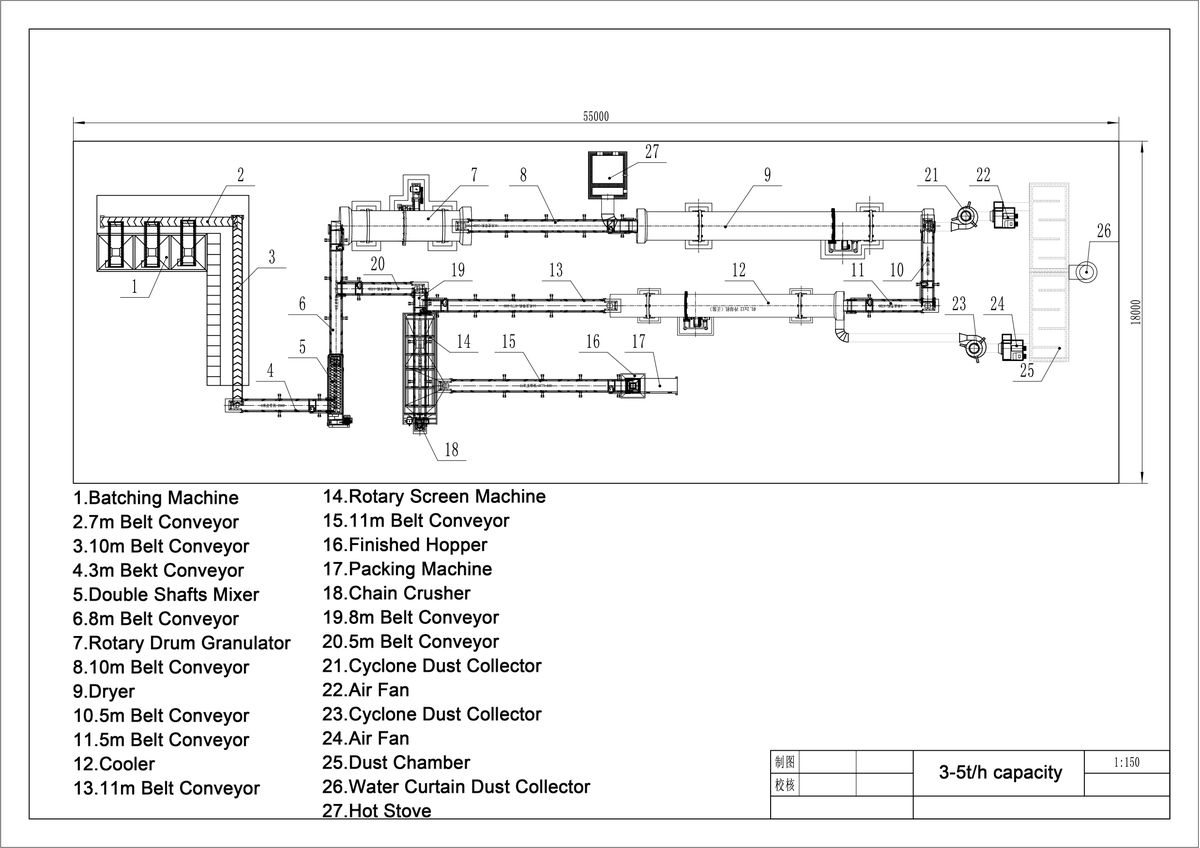
NPK Compound Fertilizer Production Line
NPK compound fertilizer production lines with batching, crushing, mixing and drum or roller granulation, producing bal…
Read more →India has raised winter-season subsidies for major NPK compound fertilizers by 43-64% versus the monsoon season, aiming to revive complex fertilizer demand after second-quarter sales fell by around 40%.
India's government lifted the winter (rabi) season subsidy rates for major nitrogen-phosphorus-potassium (NPK) compound fertilizers by 43-64 percent versus the previous monsoon season.
The increase is aimed at reviving complex fertilizer demand. Industry-wide sales and consumption of NPK fertilizers dropped by around 40 percent during the second quarter, according to a New Delhi report.
Domestic inventory remains high at more than 6 million tonnes, so analysts expect the higher subsidies to support offtake through the season rather than trigger an immediate import surge.
NPK compound fertilizer is a volume product with thin margins, and subsidy changes move demand quickly in India. A 43-64 percent increase lowers the effective cost to farmers and supports offtake through the winter planting season.
The signal also matters beyond India. India is one of the world's largest fertilizer import markets, and its policy decisions influence regional trade flows and plant utilisation for compound and bulk-blending producers.
If you are planning or upgrading capacity for NPK compound fertilizer, the winter-season subsidy hike is a concrete demand signal - but inventory is high, so the recovery is seasonal and price-sensitive. Build flexibility to switch between compound granulation and bulk blending rather than committing to a single fixed recipe.
It applies to major NPK compound fertilizer grades for India's winter (rabi) season, compared with the previous monsoon season. It follows a second quarter in which NPK sales and consumption dropped about 40 percent.
A complete NPK line combines batching and dosing, crushing, mixing, granulation (disc, drum or double-roller), drying, cooling, screening and packing. Bulk blending lines are a lighter alternative for straight NPK mixes.
Not necessarily. India's domestic inventory is above 6 million tonnes, so the subsidy hike supports demand through the season rather than triggering an immediate import surge.
NPK compound fertilizer production lines with batching, crushing, mixing and drum or roller granulation, producing bal…
Read more →Compound fertilizer production lines using chemical or extrusion granulation, 5–50 t/h, producing NPK and blended comp…
Read more →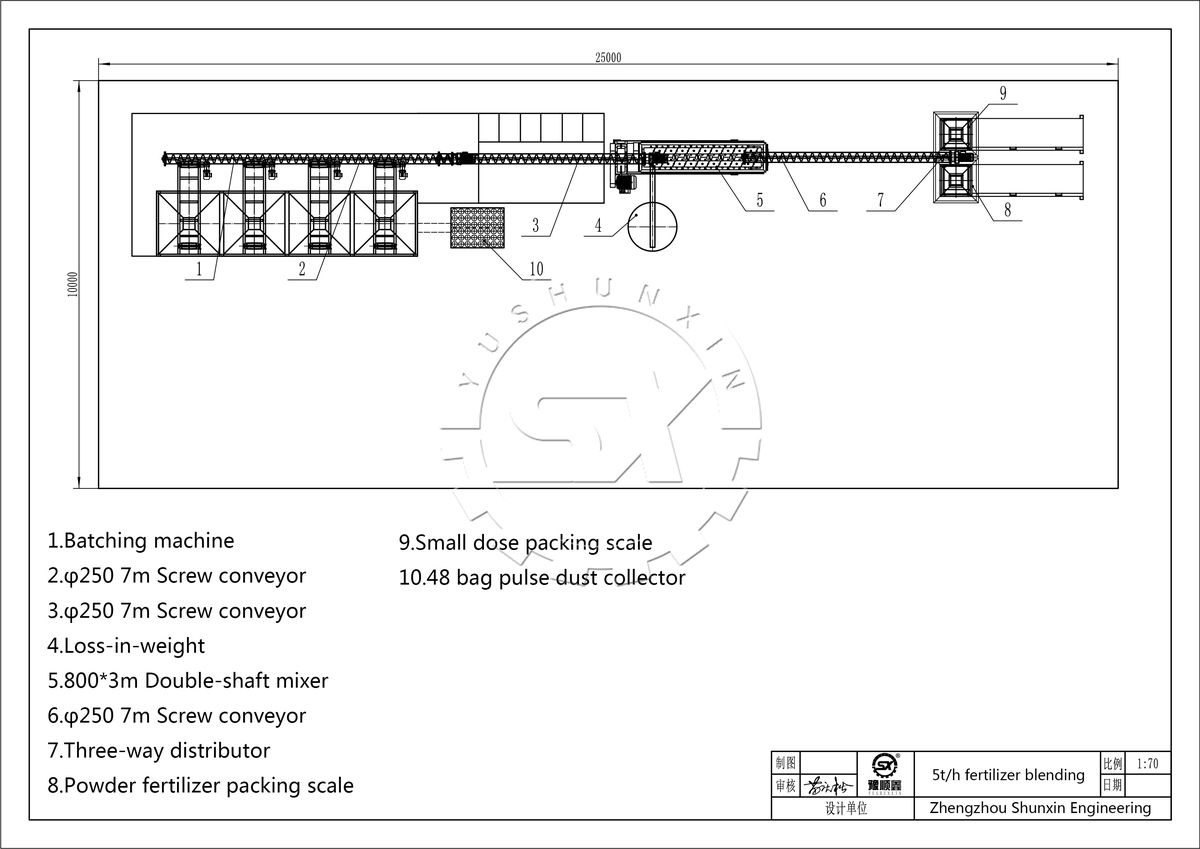
Bulk blending fertilizer production lines that mix finished N, P, K and filler granules into custom BB fertilizer — no…
Read more →Send your raw material, target capacity and country. Our engineers reply within one working day with a process route, equipment list and budget.
Send us your raw material and target capacity — we will propose the process, the machines and the budget.
Send your raw material and target capacity — our engineers reply within one working day with a process route, equipment list and budget.
Our engineering team will reply within one working day. For anything urgent, message us on WhatsApp.
Open WhatsApp