
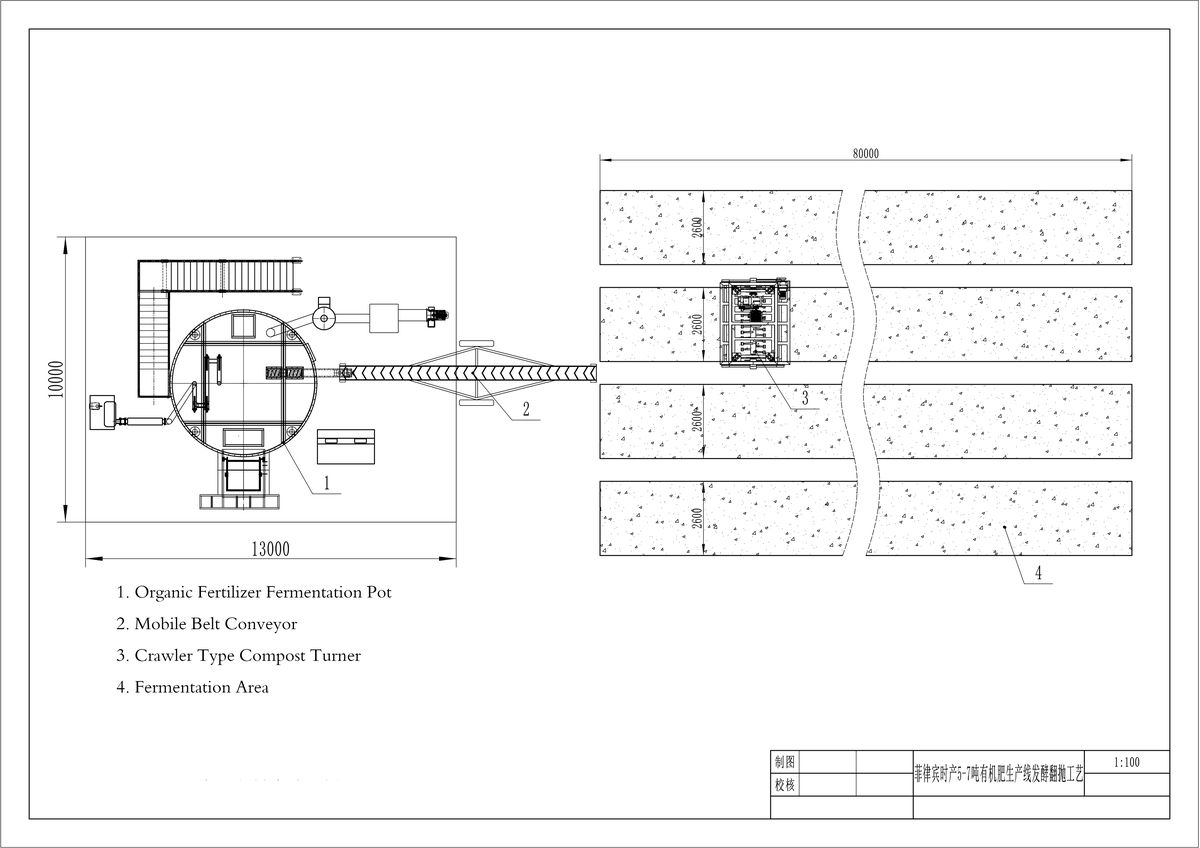
Organic Fertilizer Production Line
Organic fertilizer production line from 1 to 30 t/h: fermentation, crushing, mixing, granulation, drying, screening, c…
Read more →State-owned GAIL (India) Limited is advancing a Rs 123.42 crore municipal waste-to-biogas plant in Bengaluru that will convert 300 tonnes of organic waste a day into compressed biogas and 21.6 tonnes of fermented organic manure.
GAIL will process 300 tonnes of segregated organic municipal waste a day at the Karnataka Compost Development Corporation premises in Bengaluru. The concession with the Greater Bengaluru Authority and Bengaluru Solid Waste Management Limited was signed in October 2025 and runs for 25 years.
The plant's anaerobic digestion line produces compressed biogas, while the digestate is processed into fermented organic manure - about 21.6 tonnes per day. GAIL has issued an EPCOM tender (GAIL/ND/CnP/CBG/W688/2026) and held a stakeholder awareness programme on 11 November 2026.
It is part of India's SATAT initiative and Swachh Bharat Mission, under which municipal organic waste is converted into renewable gas and organic soil inputs.
India is scaling municipal waste-to-fertilizer plants, and every one of them needs the same downstream equipment: solid-liquid separation, digestate dewatering, drying, screening and bagging to turn wet digestate into saleable fermented organic manure.
GAIL's 21.6 t/d FOM output is the equipment signal - alongside the biogas, the manure co-product has to meet quality and packaging standards before it can be sold, which is exactly where complete organic fertilizer lines fit in.
If you are planning a waste-to-organic-fertilizer plant, design the manure stream as a production line, not an afterthought: separation, drying, screening and packing decide whether digestate becomes a saleable product. GAIL's Bengaluru project shows that municipal waste projects increasingly carry a second fertilizer revenue stream.
About 12.6 tonnes of compressed biogas and 21.6 tonnes of fermented organic manure per day from 300 tonnes of segregated municipal organic waste.
Solid-liquid separation, dewatering, drying and conditioning, screening, crushing and packing - typically delivered as a complete organic fertilizer line.
Municipal waste-to-biogas projects are adding organic manure co-products across India, creating repeat demand for fermented organic manure processing and packaging equipment.
Organic fertilizer production line from 1 to 30 t/h: fermentation, crushing, mixing, granulation, drying, screening, c…
Read more →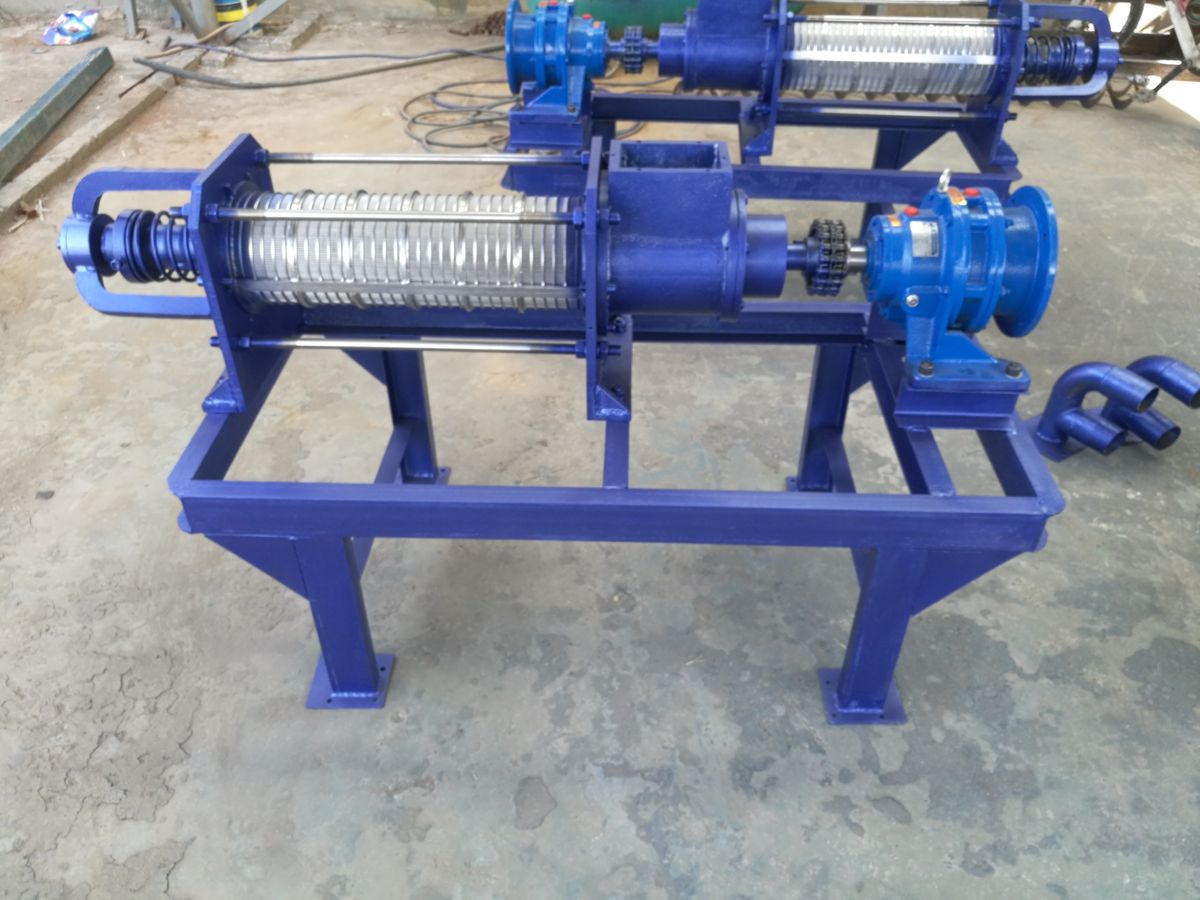
Solid liquid separators dewater pig, cow and poultry slurry from 90% to 60–65% moisture, so solids can be composted in…
Read more →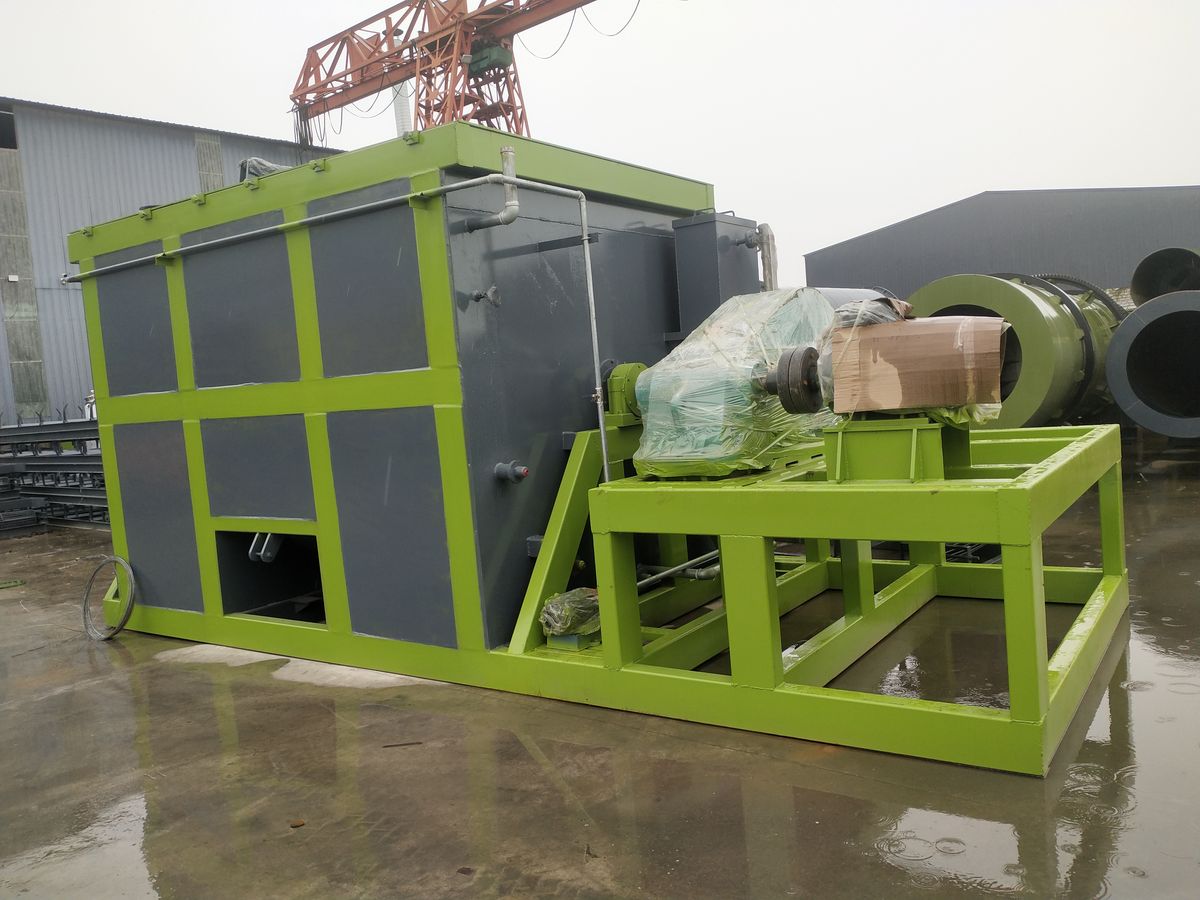
Organic waste composting machines for food waste, market waste and sludge. In-vessel fermentation plus secondary compo…
Read more →Send your raw material, target capacity and country. Our engineers reply within one working day with a process route, equipment list and budget.
Send us your raw material and target capacity — we will propose the process, the machines and the budget.
Send your raw material and target capacity — our engineers reply within one working day with a process route, equipment list and budget.
Our engineering team will reply within one working day. For anything urgent, message us on WhatsApp.
Open WhatsApp