
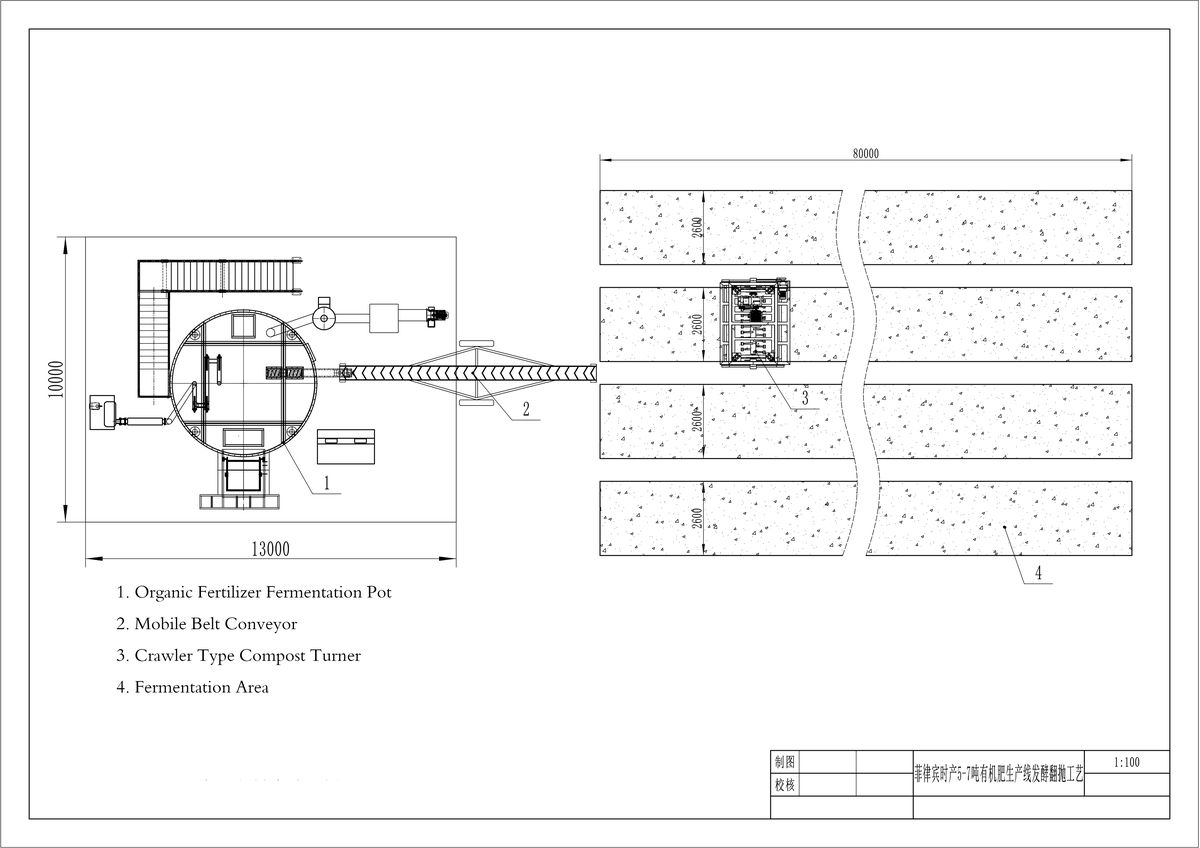
Organic Fertilizer Production Line
Organic fertilizer production line from 1 to 30 t/h: fermentation, crushing, mixing, granulation, drying, screening, c…
Read more →Fresh approvals in Belgium, Switzerland and the Netherlands show Europe's new biogas plants are being designed with a fertiliser co-product stream, turning digestate into liquid fertiliser, compost and mineral concentrates.
Belgium's Biogas Hautrage has secured final Walloon government approval to build the country's largest biogas plant, producing 340 GWh of biomethane a year for the Fluxys grid alongside fertilisers for farmers in Wallonia. Backed by Copenhagen Infrastructure Partners and Wallonie Entreprendre, construction starts in 2027 with operations from mid-2029.
In Switzerland, Axpo subsidiary Axpo Biomasse has applied to build a plant in Bachenbülach, Zürich, that will process about 30,000 tonnes a year of garden and organic waste. The digestate is split into a liquid press-water used as agricultural fertiliser and a solid fraction processed for home gardening.
In the Netherlands, waste processor Twence already converts manure digestate into compost and a mineral concentrate officially recognised as a fertiliser substitute.
Every one of these projects needs the same downstream equipment: solid-liquid separation, dewatering, drying and conditioning, composting, and packing to turn digestate into a saleable fertiliser.
The trend is policy-backed across Europe - nutrient-recycling rules and rising gas costs are pushing operators to monetise digestate rather than dispose of it.
If you build or sell fertiliser equipment, treat biogas and biomethane projects as fertilizer-line opportunities, not just gas projects. The fertiliser co-product often decides project economics, and operators need complete digestate-to-fertilizer lines rather than single machines.
Digestate - the residue left after anaerobic digestion - is increasingly treated as a fertiliser co-product to improve project economics and meet European nutrient-recycling goals.
340 GWh of biomethane a year for the Fluxys gas grid, plus fertilisers for farmers in Wallonia. Construction begins in 2027 with operations from mid-2029.
Solid-liquid separation, dewatering, drying and conditioning, composting, screening, and weighing and bagging - typically delivered as a complete digestate-to-fertilizer line.
Organic fertilizer production line from 1 to 30 t/h: fermentation, crushing, mixing, granulation, drying, screening, c…
Read more →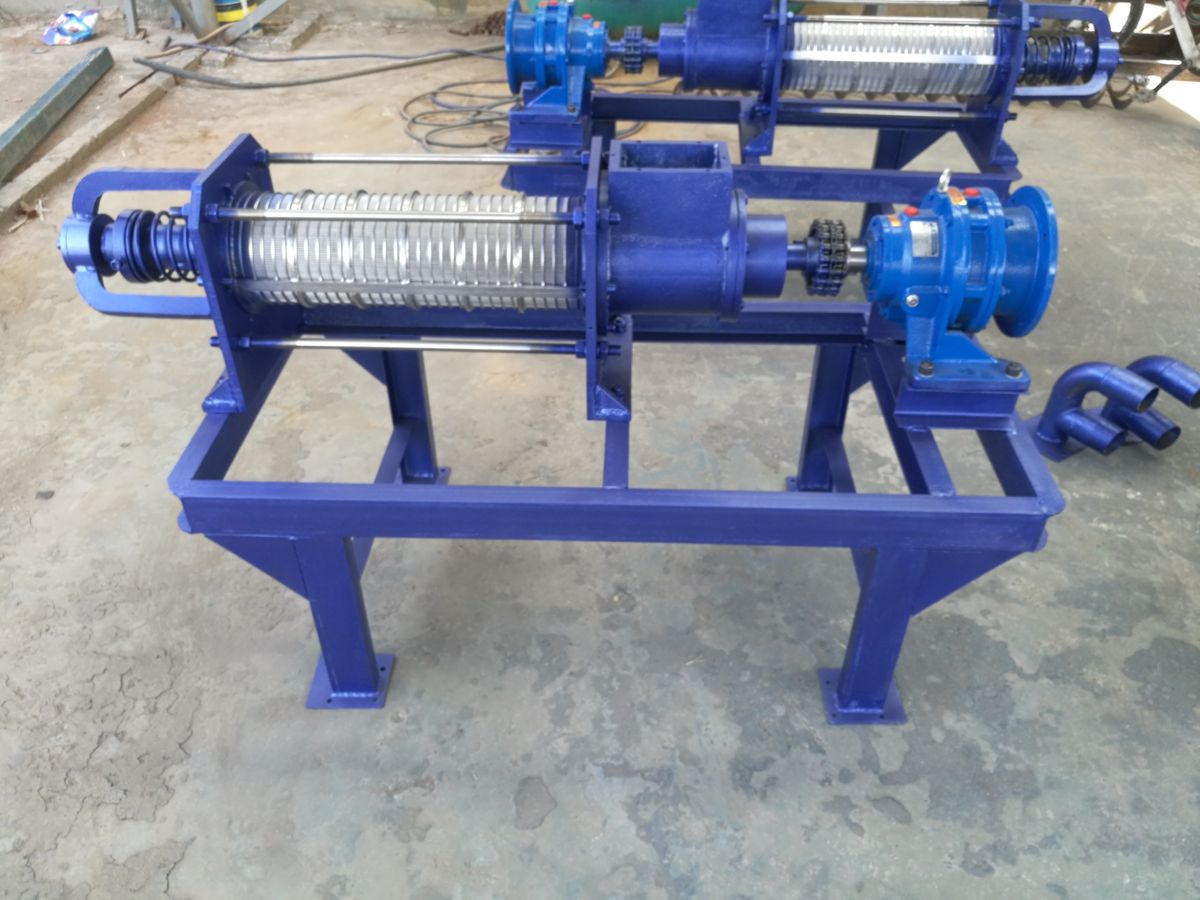
Solid liquid separators dewater pig, cow and poultry slurry from 90% to 60–65% moisture, so solids can be composted in…
Read more →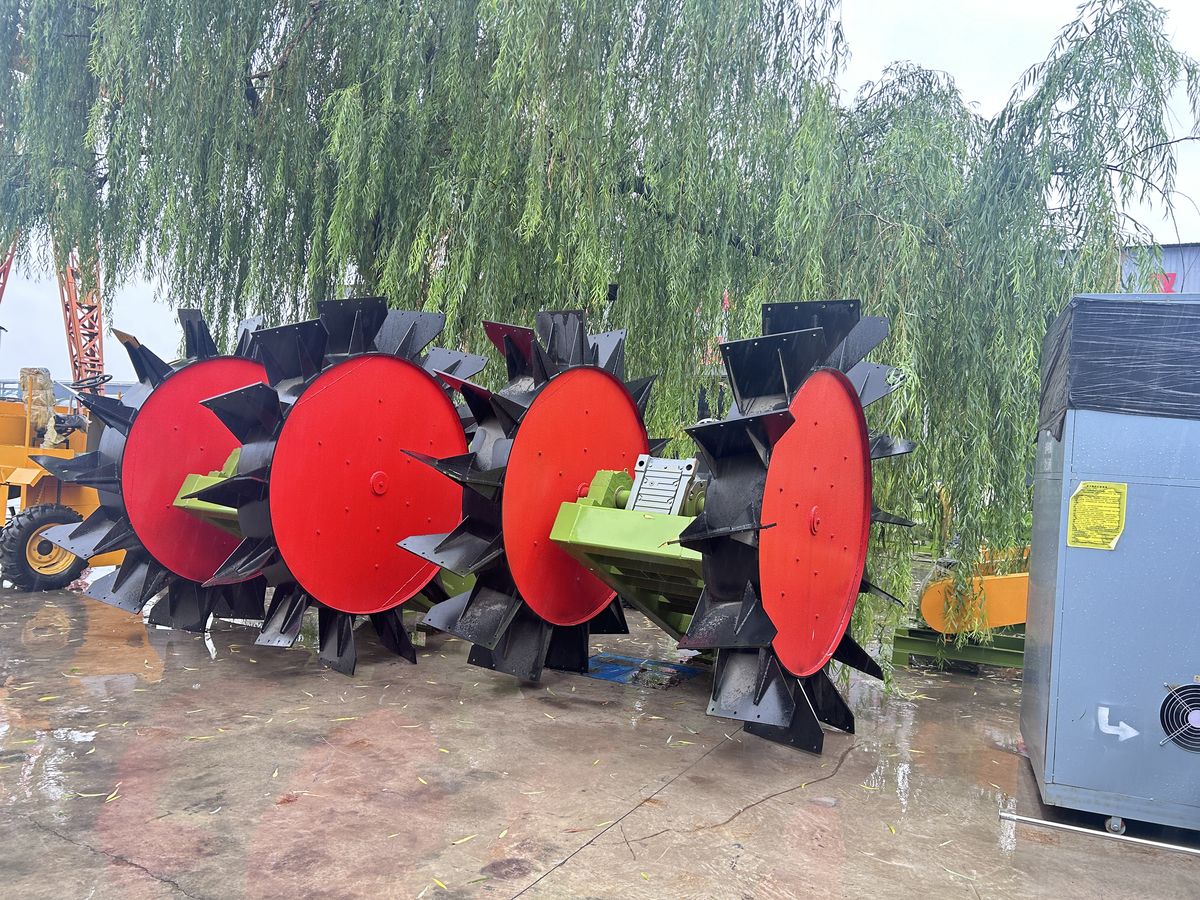
Composting equipment from Shunxin: windrow and groove turners, self-propelled and forklift compost turners, and in-ves…
Read more →Send your raw material, target capacity and country. Our engineers reply within one working day with a process route, equipment list and budget.
Send us your raw material and target capacity — we will propose the process, the machines and the budget.
Send your raw material and target capacity — our engineers reply within one working day with a process route, equipment list and budget.
Our engineering team will reply within one working day. For anything urgent, message us on WhatsApp.
Open WhatsApp