
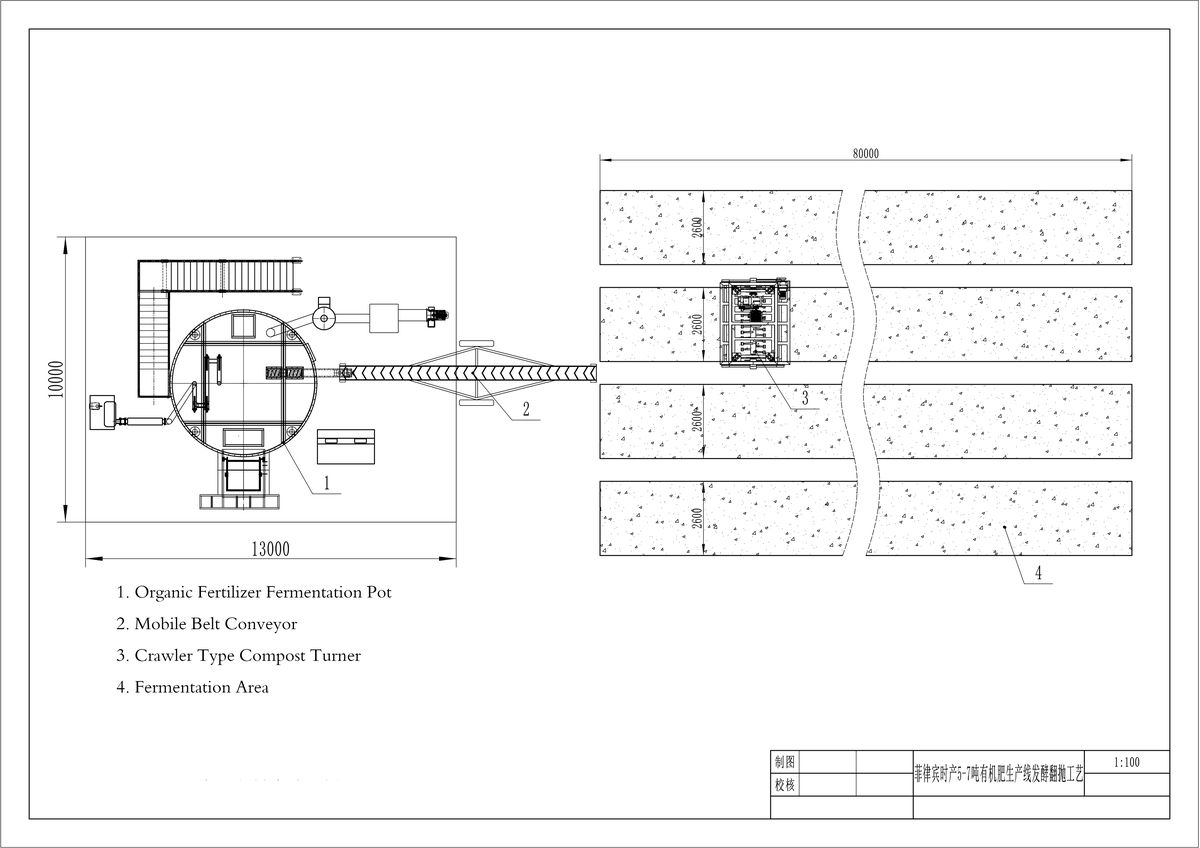
Organic Fertilizer Production Line
Organic fertilizer production line from 1 to 30 t/h: fermentation, crushing, mixing, granulation, drying, screening, c…
Read more →High natural gas prices have idled up to 35% of Europe's ammonia capacity, with Yara cutting output 27% and producers substituting imported ammonia - a supply shock that strengthens the case for non-gas fertiliser capacity.
Argus puts idled European ammonia capacity at more than 5 million tonnes a year, or about 28% of the total, with its own estimates suggesting the real share is closer to 35%. Ammonia imports reached a four-year high in September.
Natural gas accounts for 80-90% of ammonia's variable cost, and European gas is above 90 euros per megawatt-hour. Argus calculates European ammonia production cost has roughly doubled to $1,096 per tonne, against about $760 per tonne for imports from North Africa, Trinidad and Tobago and the United States.
Yara has cut European ammonia output by 27%, and AGF Nitrogen has idled ammonia at some port-linked plants while considering further closures in France, Germany, Austria, Czechia and Slovakia.
Europe's loss of gas-based nitrogen capacity raises import dependence but also accelerates interest in fertilisers that do not run on natural gas: recycled nutrients from sludge, manure and food waste, organic fertilisers, and compound lines built around imported or recovered inputs.
Industry executives warn that without reinvestment, more European production will close or relocate - which is exactly the opening for efficient, lower-energy fertilizer lines.
For buyers targeting Europe, the window is shifting toward non-gas fertilizer production: projects that recycle nutrients or convert waste into organic and compound fertiliser face lower energy exposure than gas-based nitrogen. Position proposals around lower energy cost, local feedstock and compliance with EU nutrient rules.
Argus reports more than 5 million tonnes a year, or about 28% of capacity, with its own estimates putting the real share closer to 35%.
Natural gas makes up 80-90% of ammonia's variable cost. European gas is above 90 euros per megawatt-hour, roughly doubling production cost to $1,096 per tonne.
Non-gas fertilizer lines: nutrient recovery and solid-liquid separation, organic and compost production, compound and NPK granulation, plus efficient drying, screening and packing.
Organic fertilizer production line from 1 to 30 t/h: fermentation, crushing, mixing, granulation, drying, screening, c…
Read more →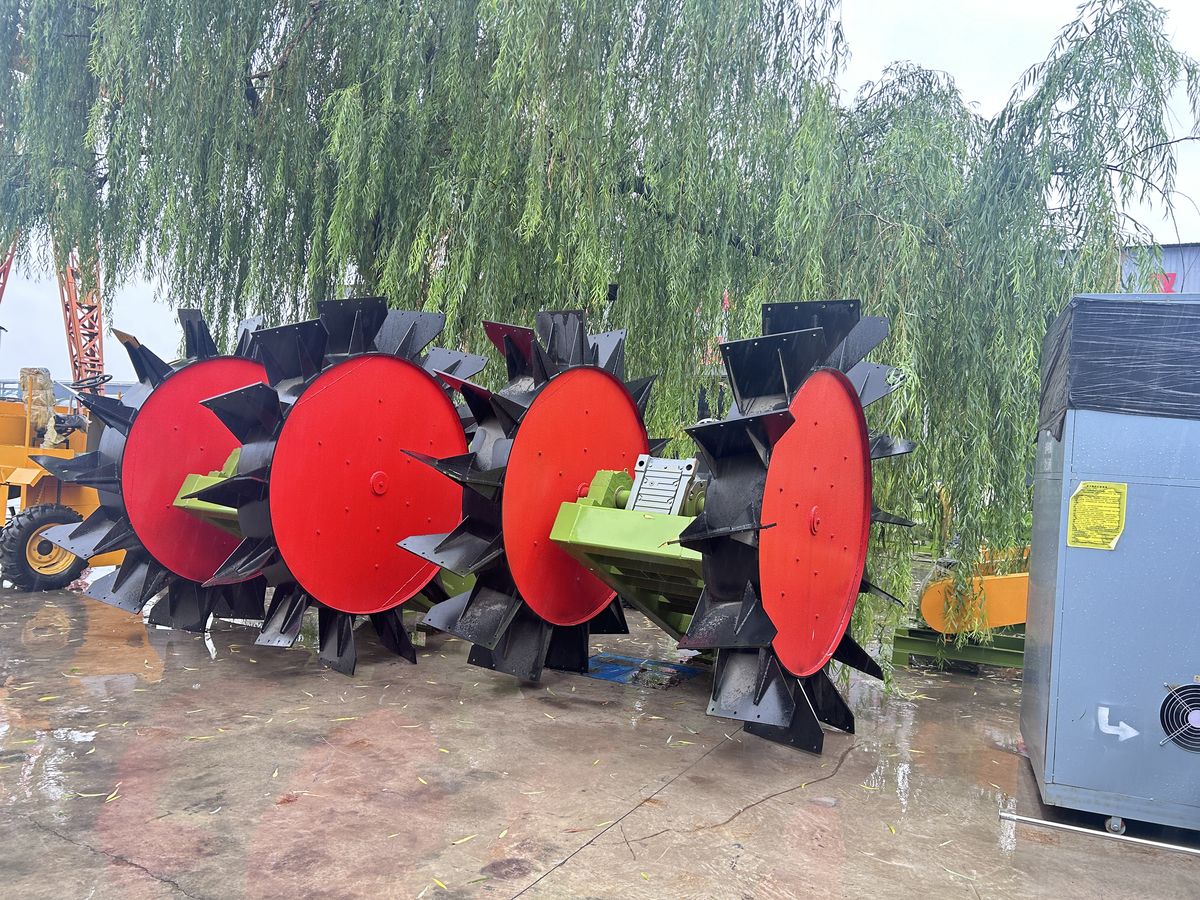
Composting equipment from Shunxin: windrow and groove turners, self-propelled and forklift compost turners, and in-ves…
Read more →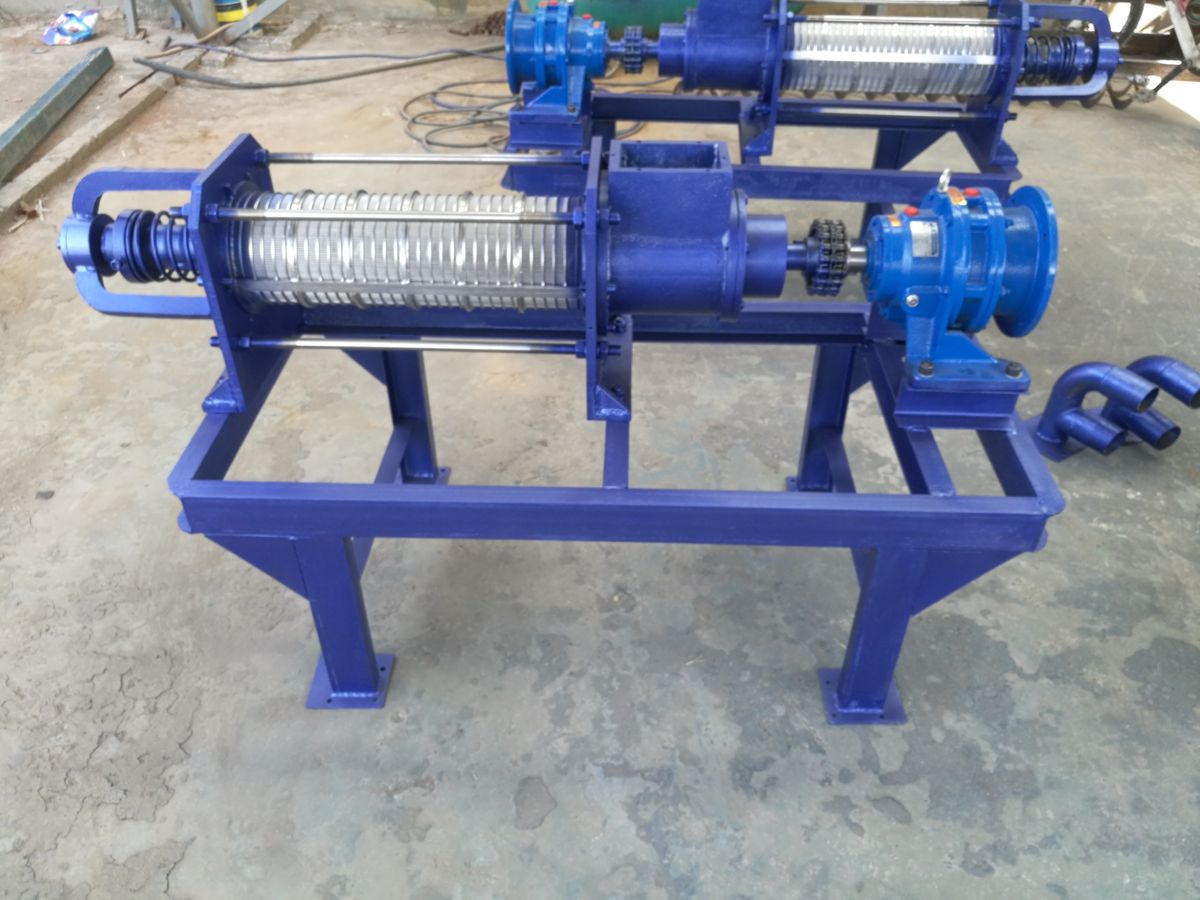
Solid liquid separators dewater pig, cow and poultry slurry from 90% to 60–65% moisture, so solids can be composted in…
Read more →Send your raw material, target capacity and country. Our engineers reply within one working day with a process route, equipment list and budget.
Send us your raw material and target capacity — we will propose the process, the machines and the budget.
Send your raw material and target capacity — our engineers reply within one working day with a process route, equipment list and budget.
Our engineering team will reply within one working day. For anything urgent, message us on WhatsApp.
Open WhatsApp