
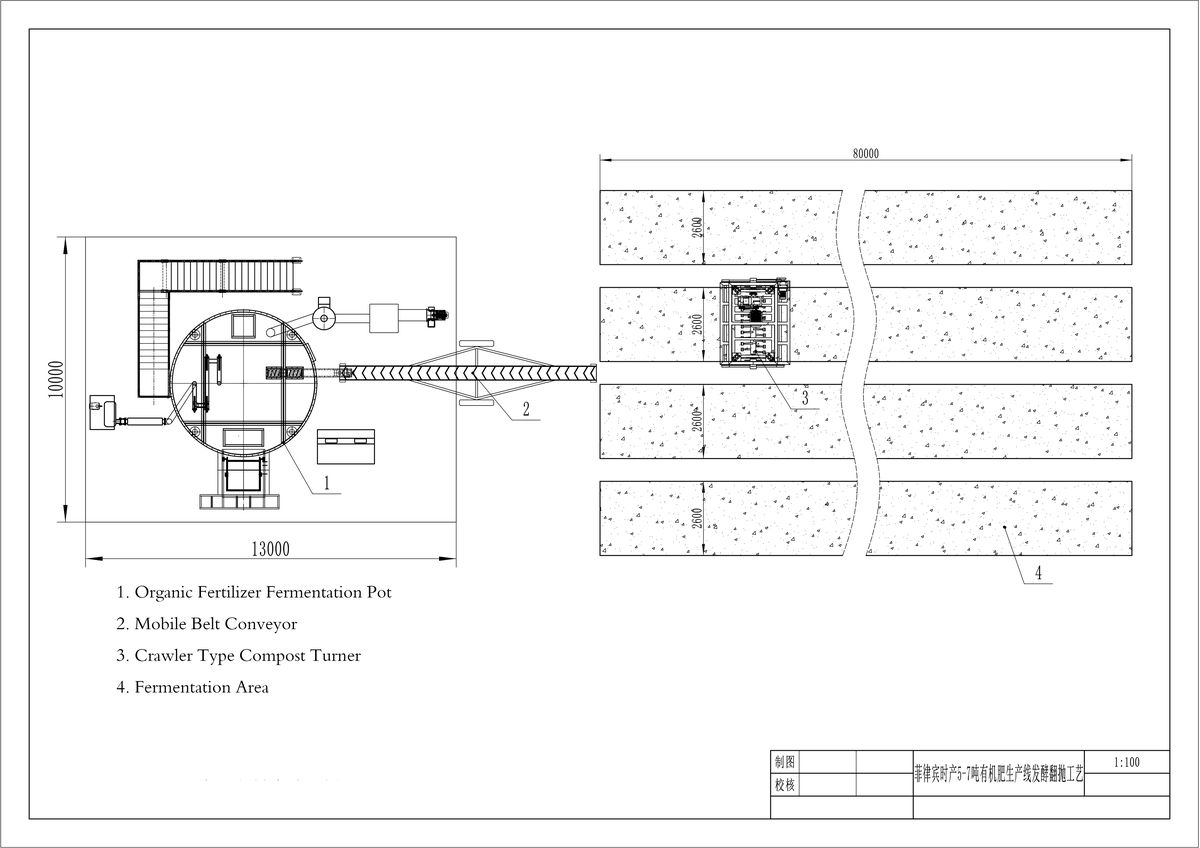
Organic Fertilizer Production Line
Organic fertilizer production line from 1 to 30 t/h: fermentation, crushing, mixing, granulation, drying, screening, c…
Read more →The European Commission's Fertilisers Value Chain Partnership is targeting the EU's 70% phosphate import dependence, putting domestic production and nutrient recycling - from sludge, manure and food waste - at the centre of fertiliser policy.
The Commission launched the EU Fertilisers Value Chain Partnership on 9 November 2026, bringing together fertiliser manufacturers, farmer organisations and member states to secure competitively priced EU-produced fertiliser and spot supply-chain risks earlier.
It sits under the EU Fertiliser Action Plan adopted on 19 May 2026, alongside 540 million euros mobilised for farmers hit hardest by fertiliser and energy costs. About 70% of the EU's phosphate fertiliser needs are met by imported phosphate rock, and nitrogen production depends on natural gas.
A 2026 price wave left fertiliser prices about 70% higher than in 2024, which is why Brussels is treating fertiliser as both a farm-cost issue and an industrial supply-security problem.
The plan puts domestic supply and recycling on the agenda: phosphorus recovered from sewage sludge, manure and food-industry waste is moving from pilot projects toward regulation-backed markets as the EU prepares its Circular Economy Act.
Germany and Switzerland already require phosphorus recovery from some wastewater streams, and Sweden's LKAB is recovering phosphorus from iron-ore waste. Domestic processing capacity is now seen as just as important as extraction.
For buyers targeting Europe, recycled nutrients are the growth niche: policy is creating guaranteed feedstock and demand for recovered phosphorus and organic fertiliser. Plan lines that combine separation, composting or drying, granulation and screening with the traceability and quality control European buyers now expect.
A Commission-led partnership, launched 9 November 2026, bringing together fertiliser manufacturers, farmer organisations and member states to secure affordable EU-produced fertiliser and reduce import dependence.
About 70% of the EU's phosphate fertiliser needs are met by imported phosphate rock, mostly from outside the bloc. Nitrogen production also depends on natural gas.
Solid-liquid separation, dewatering, composting, granulation, drying and screening lines that convert sludge, manure and food waste into organic fertiliser and recovered nutrients.
Organic fertilizer production line from 1 to 30 t/h: fermentation, crushing, mixing, granulation, drying, screening, c…
Read more →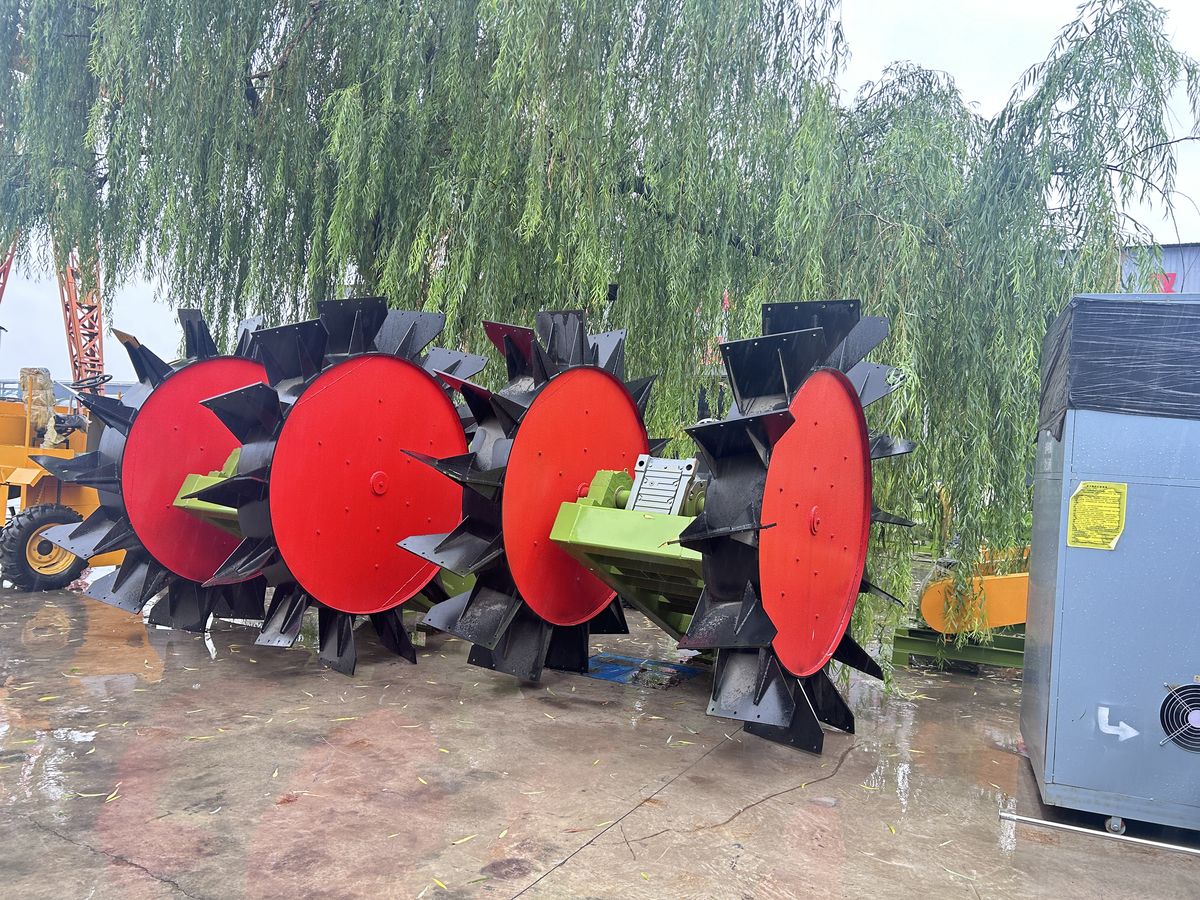
Manure composting equipment: separators, turners and deodorising systems that convert cattle, pig and poultry manure i…
Read more →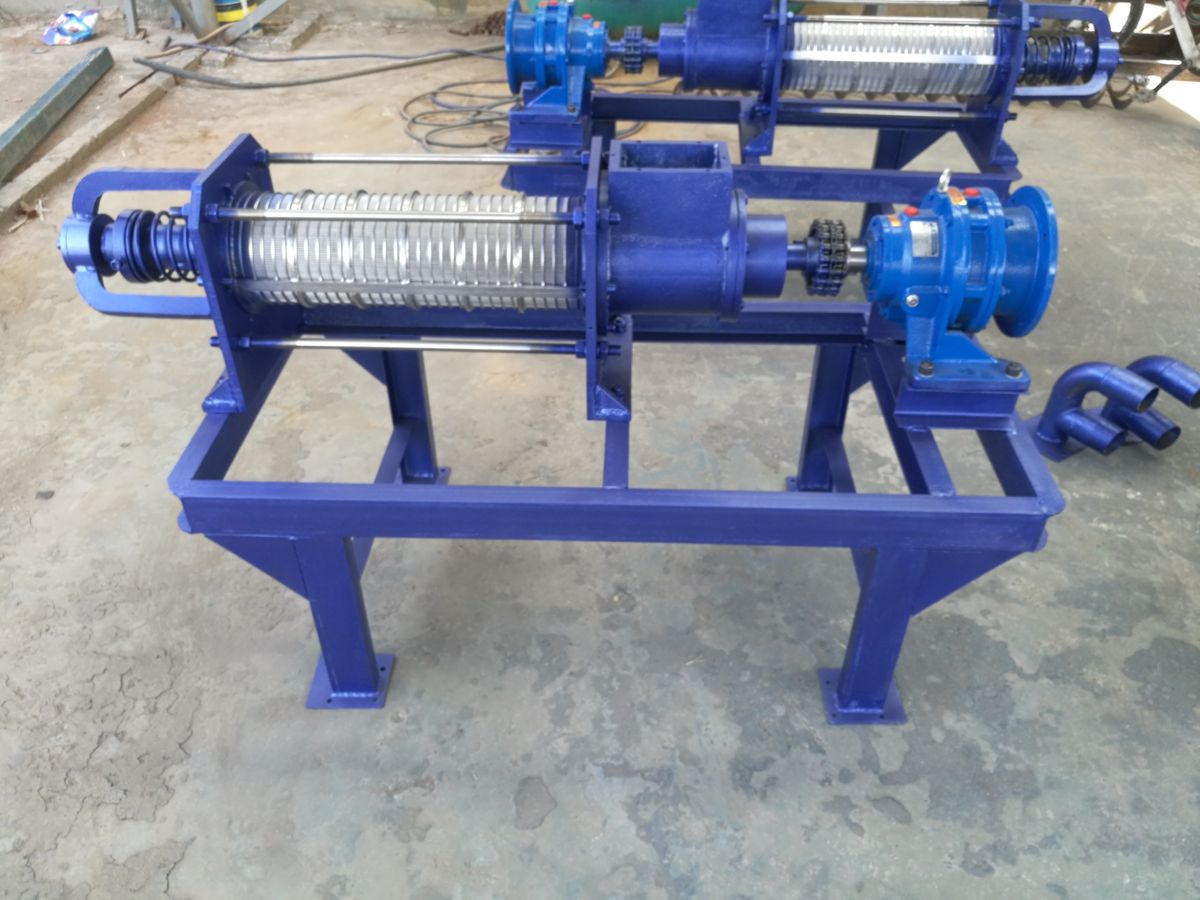
Solid liquid separators dewater pig, cow and poultry slurry from 90% to 60–65% moisture, so solids can be composted in…
Read more →Send your raw material, target capacity and country. Our engineers reply within one working day with a process route, equipment list and budget.
Send us your raw material and target capacity — we will propose the process, the machines and the budget.
Send your raw material and target capacity — our engineers reply within one working day with a process route, equipment list and budget.
Our engineering team will reply within one working day. For anything urgent, message us on WhatsApp.
Open WhatsApp