
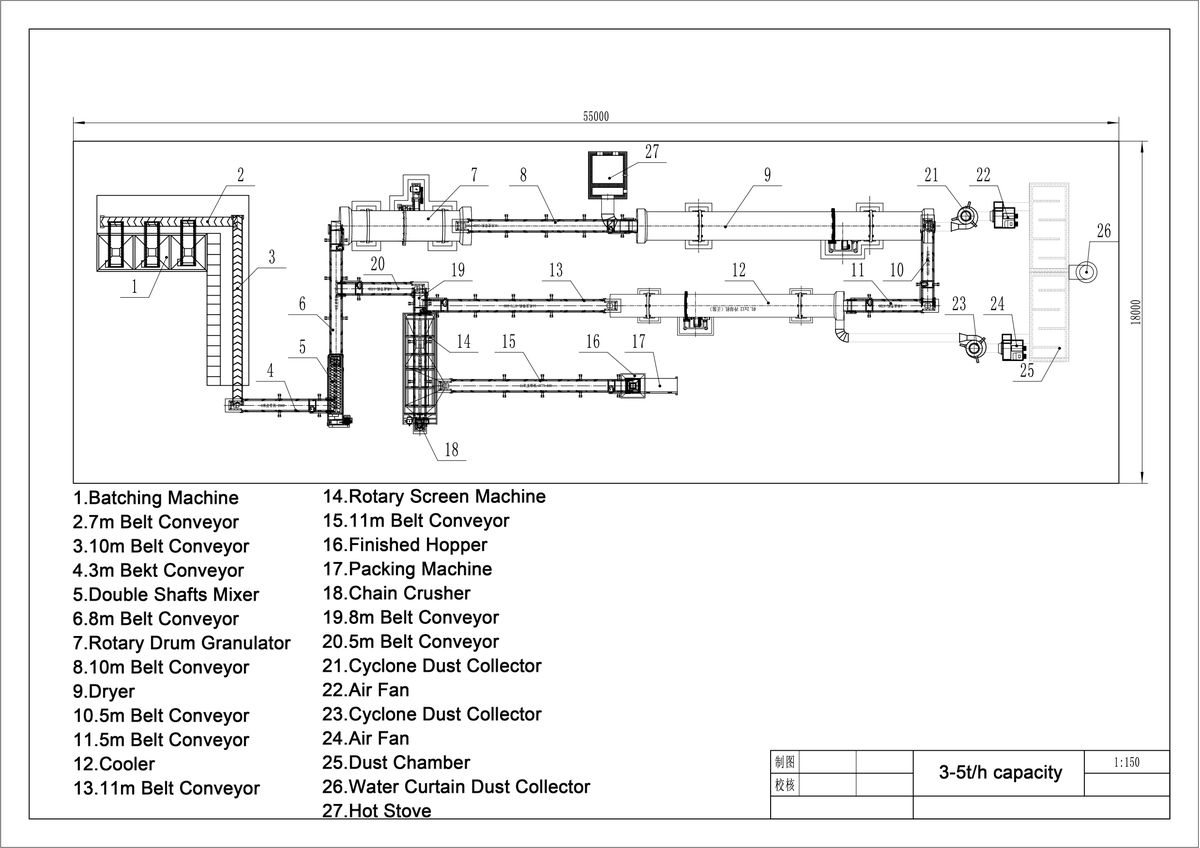
Compound Fertilizer Production Line
Compound fertilizer production lines using chemical or extrusion granulation, 5–50 t/h, producing NPK and blended comp…
Read more →Policy is locking in a shift toward organic and organic-inorganic compound fertilizers in China, with subsidies for substitution, new product standards and a green, low-carbon direction for the fertilizer industry.
The 2026 No. 1 central document expands the range of organic-fertilizer-substitutes-chemical-fertilizer projects and provides fiscal subsidies. The Ministry of Agriculture and Rural Affairs has also listed increased organic fertilizer application as a key technical measure for raising yields.
The State Council's 15th Five-Year Plan for agricultural and rural modernisation pushes the fertilizer industry toward green, low-carbon and circular development.
At the 6th China Organic Fertilizer Industry Development Conference, participants described the country as entering a new stage of combined organic-inorganic fertilisation.
Subsidies and standards are moving together: demand is being stimulated while new product standards raise quality thresholds and accelerate the exit of outdated capacity.
The strongest beneficiaries are modern plants that can combine organic raw materials with mineral nutrients into stable organic-inorganic compound fertilizers, rather than single-product workshops.
The direction in China is no longer a niche: organic-inorganic compound fertilizer is being framed as the main replacement path for conventional chemical fertilizer. A line that can blend organic and mineral inputs - not just one or the other - is the more future-proof investment.
It means policies that encourage farmers to apply organic matter and organic-inorganic compound products in place of part of their conventional chemical fertilizer, supported by subsidies, demonstration projects and improved standards.
Composting for the organic base, crushing and screening, batching and mixing of organic and mineral materials, then granulation, drying, cooling and packing. The mixing and batching system is the critical step for stable ratios.
Yes. Shunxin engineers complete organic, NPK and compound fertilizer lines in its Zhengzhou factory and matches process design to the customer's raw material, capacity and target standard.
Compound fertilizer production lines using chemical or extrusion granulation, 5–50 t/h, producing NPK and blended comp…
Read more →NPK compound fertilizer production lines with batching, crushing, mixing and drum or roller granulation, producing bal…
Read more →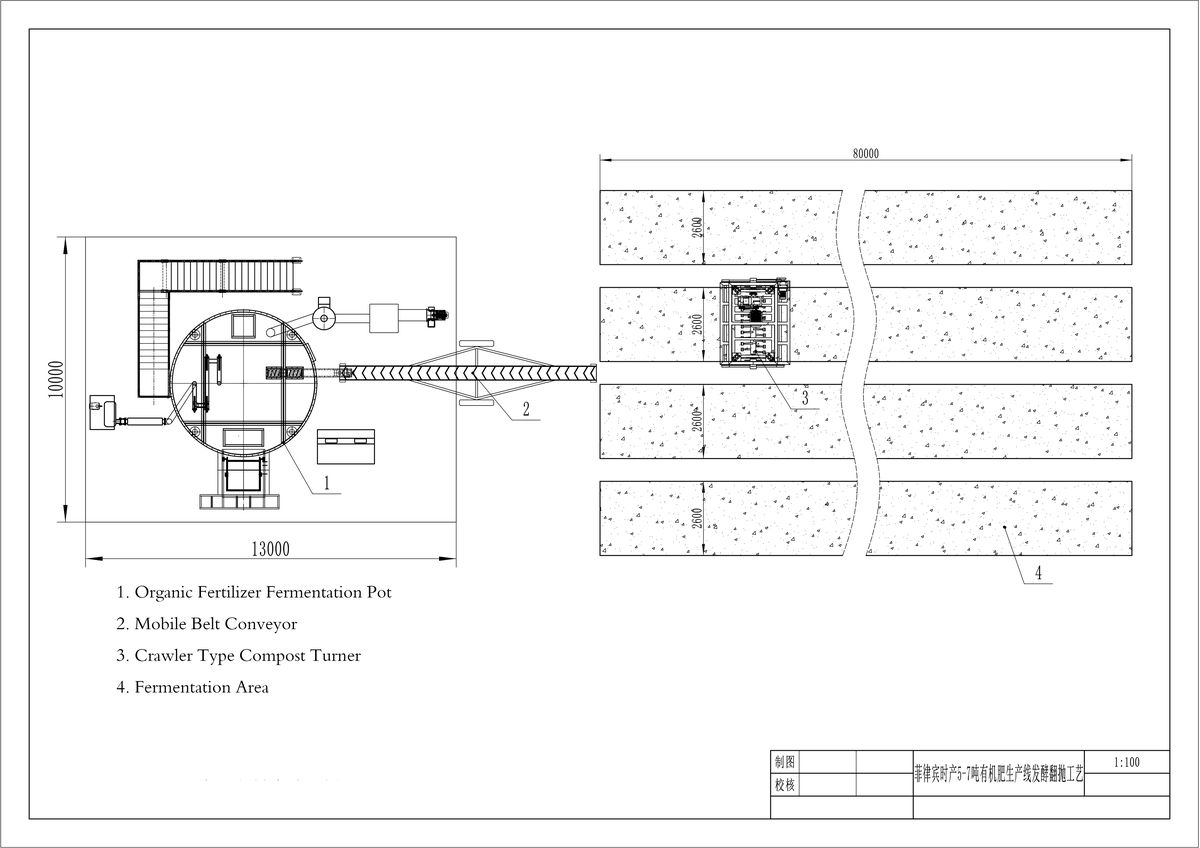
Organic fertilizer production line from 1 to 30 t/h: fermentation, crushing, mixing, granulation, drying, screening, c…
Read more →Send your raw material, target capacity and country. Our engineers reply within one working day with a process route, equipment list and budget.
Send us your raw material and target capacity — we will propose the process, the machines and the budget.
Send your raw material and target capacity — our engineers reply within one working day with a process route, equipment list and budget.
Our engineering team will reply within one working day. For anything urgent, message us on WhatsApp.
Open WhatsApp