
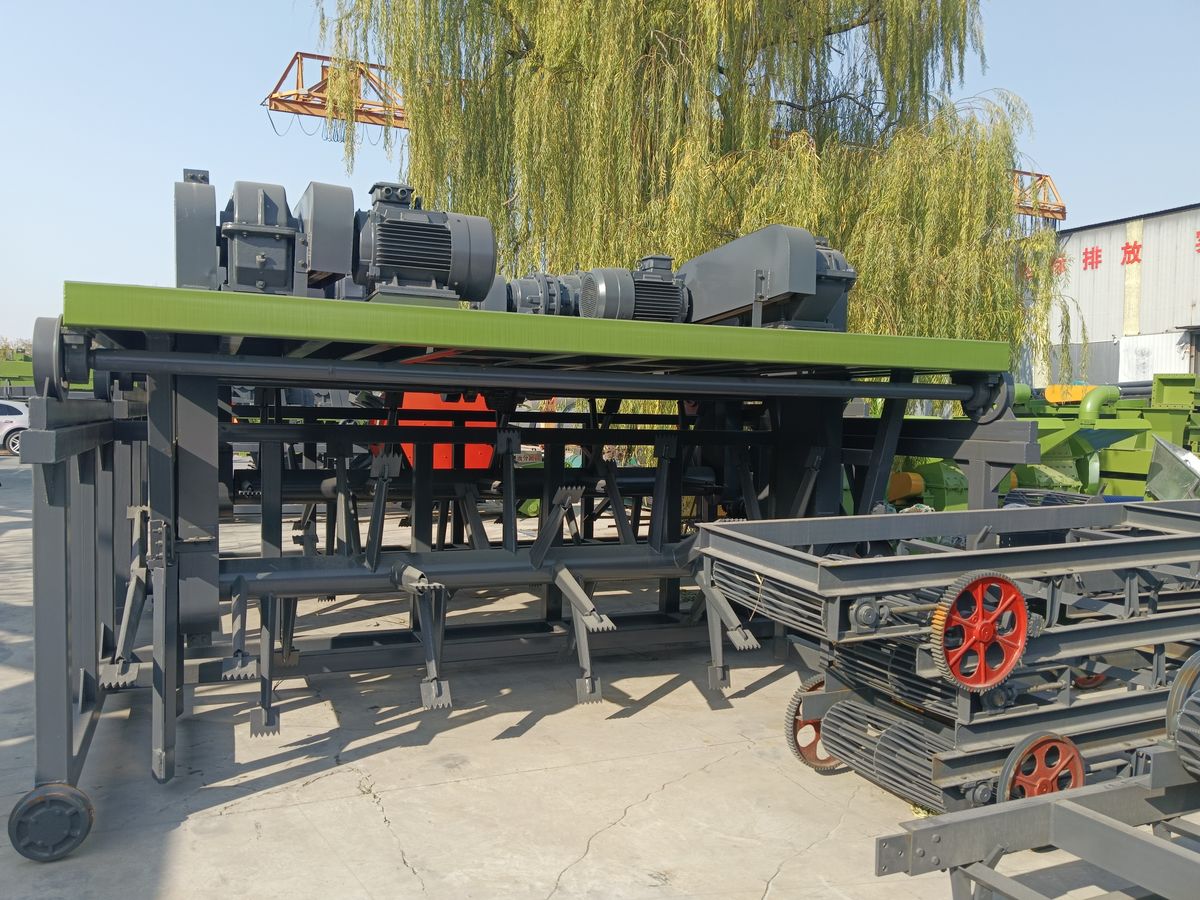
Maszyna Turner na dużą skalę
Large scale compost turner machines for 100–1,000 t/day plants: groove-type, wheel-type and chain plate turners for mu…
Czytaj więcej →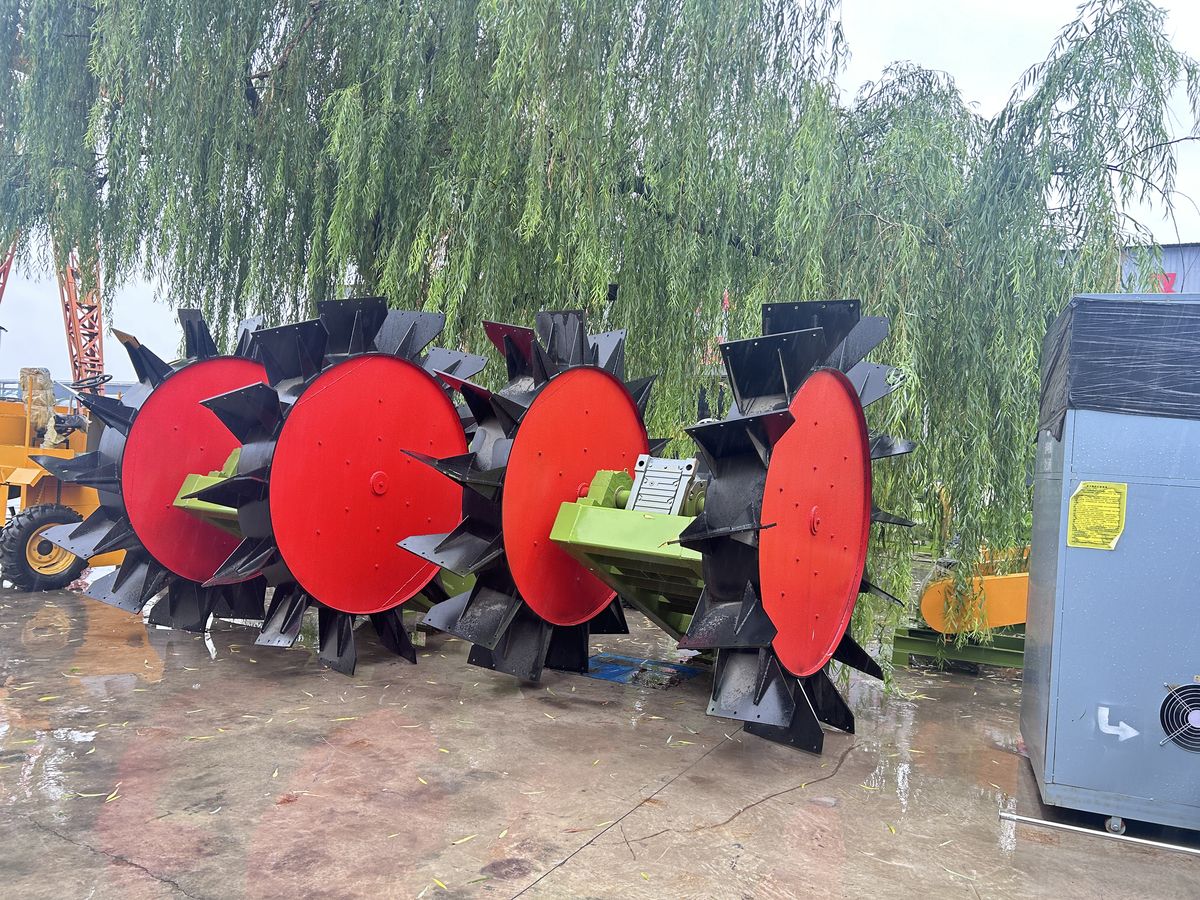
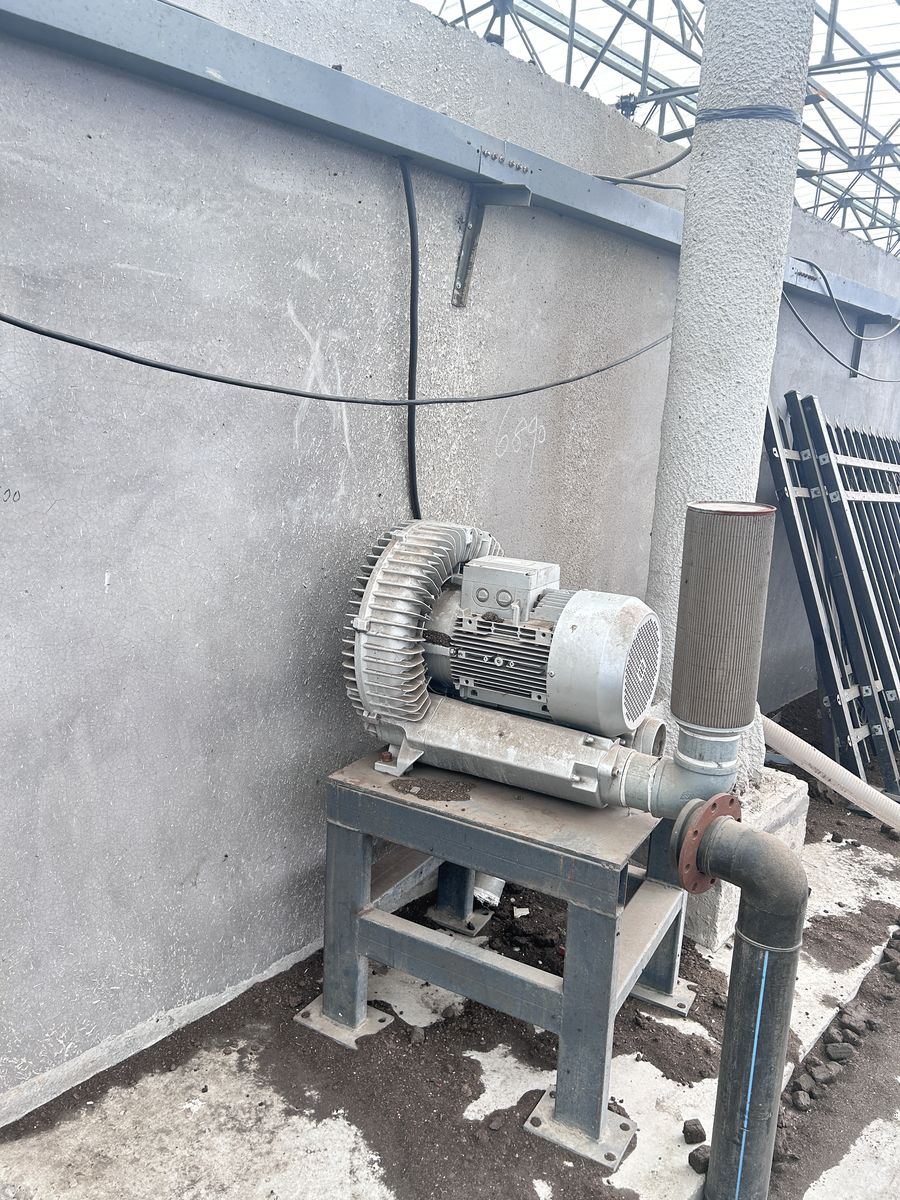
Composting equipment is the core of a waste-to-fertilizer plant, because fermentation determines whether the finished product is stable, hygienic and safe to sell. Shunxin manufactures the full range: moving and crawler windrow turners for open pads, groove-type turners on rails for fixed factory layouts, self-propelled machines that a single operator drives, chain plate turners for deep bays, forklift attachments for low-investment operations, and fully enclosed in-vessel fermentation tanks for odour-sensitive urban sites.
Choosing between them is a question of tonnage, layout and how much control you need over temperature and odour. A 100 t/day farm composting manure in an open yard needs a robust turner and good drainage. A 500 t/day municipal plant composting food waste in a residential district needs closed vessels, forced aeration and biofiltration. Between those two extremes, this page and the linked equipment pages explain the trade-offs.
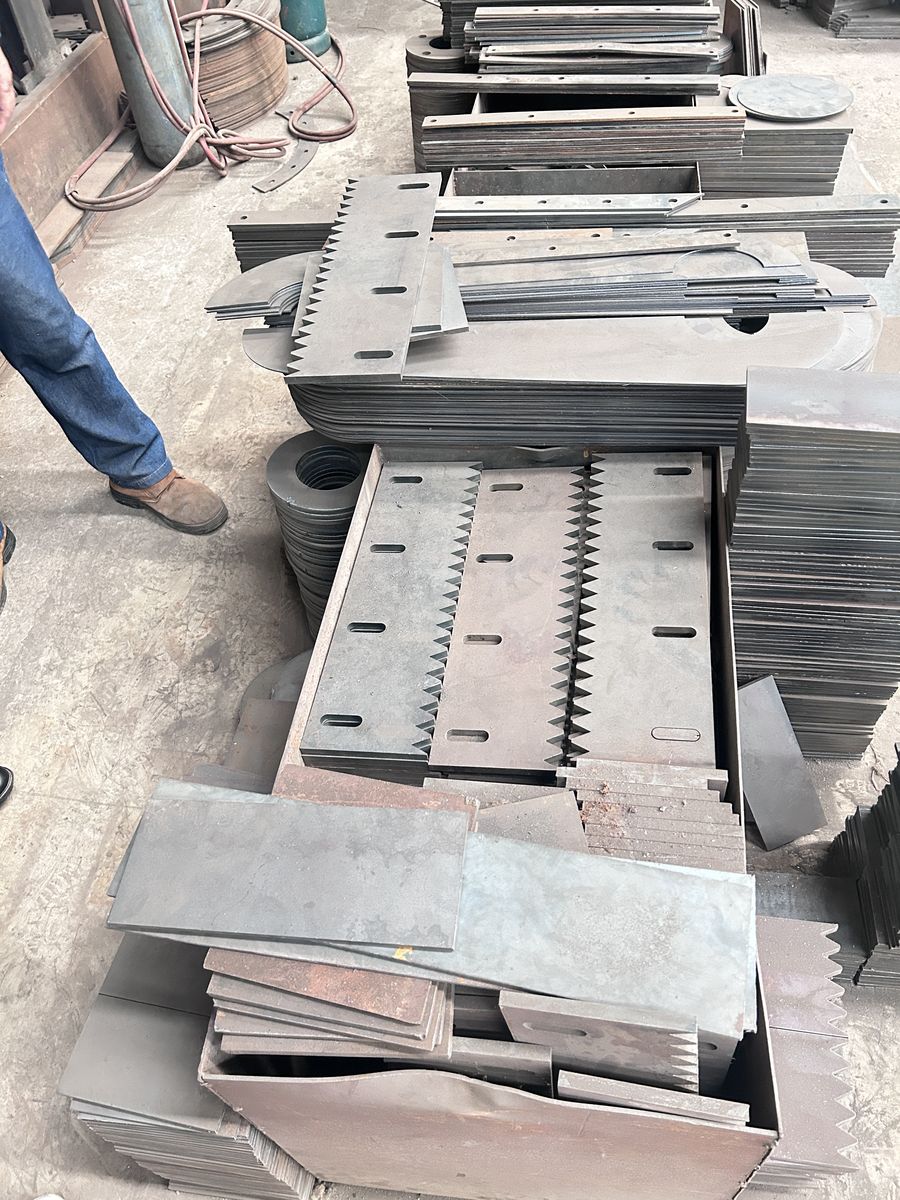
Sfotografowano w naszym warsztacie Xingyang i u klientów. Bez znaku wodnego, żadnych numerów telefonów.



Four things: enough turning width and drum diameter to aerate the whole pile, a slow rotating drum that lifts and mixes rather than smearing the material, a chassis strong enough for the daily duty cycle, and hydraulic control so the drum height follows the pile. A turner that only throws material from the top leaves the core anaerobic.
For most manure a windrow of 1.5–2 m height and 3–4 m base width is ideal, giving a core that stays above 55 °C without becoming anaerobic. Very wide piles need more turning capacity; very narrow piles lose heat and take longer.
Tak, but not in an open windrow at high volume. Food waste and sludge are wetter and more odorous, so they are normally processed in in-vessel fermentation tanks or in grooved channels with aeration and a bulking agent, then finished in windrows.
A self-propelled turner is faster to reposition and needs only one operator, which suits contractors, multiple piles and changing layouts. A towed or crawler turner pulled by a tractor costs less and works well when the piles stay in a fixed line.
Large scale compost turner machines for 100–1,000 t/day plants: groove-type, wheel-type and chain plate turners for mu…
Czytaj więcej →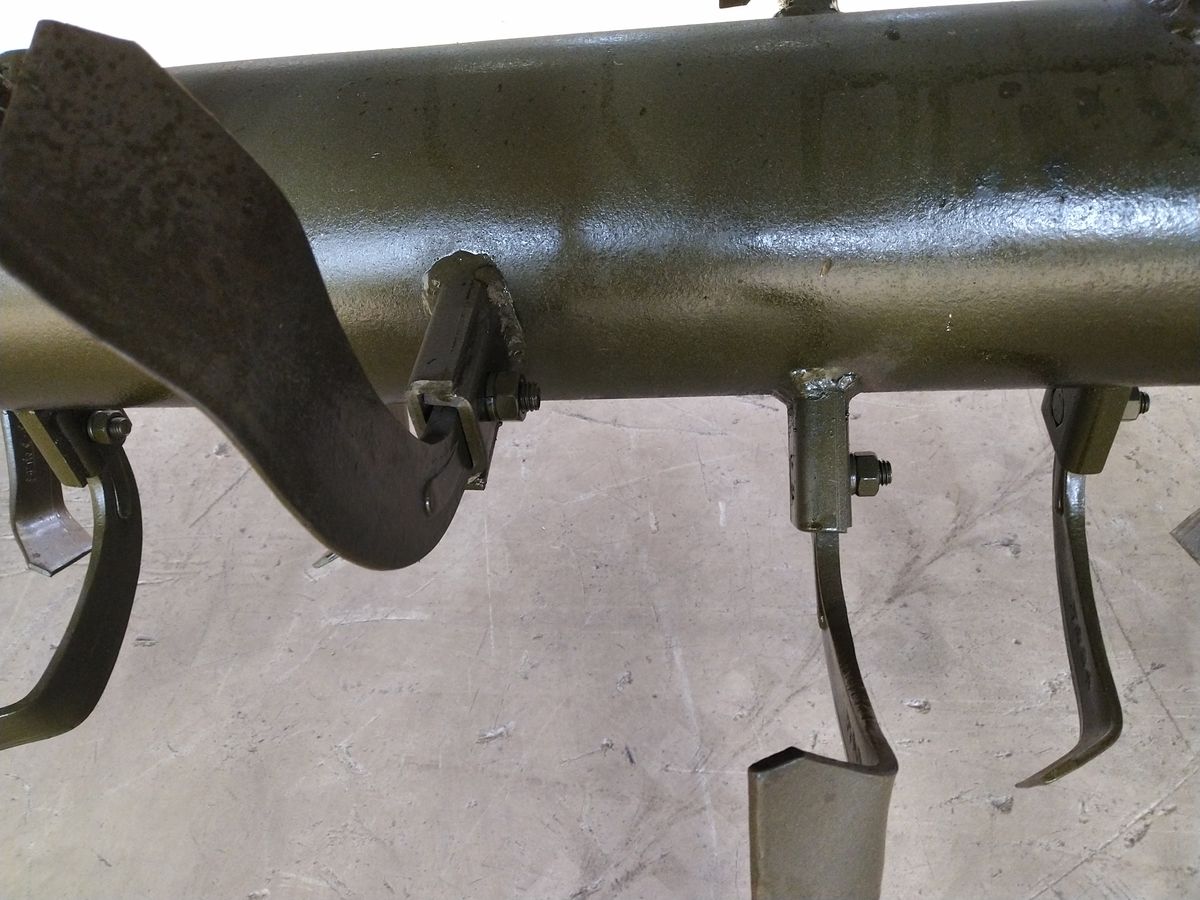
Windrow turners for sale: crawler and moving type compost turners that aerate open windrows and make compost fast. Hyd…
Czytaj więcej →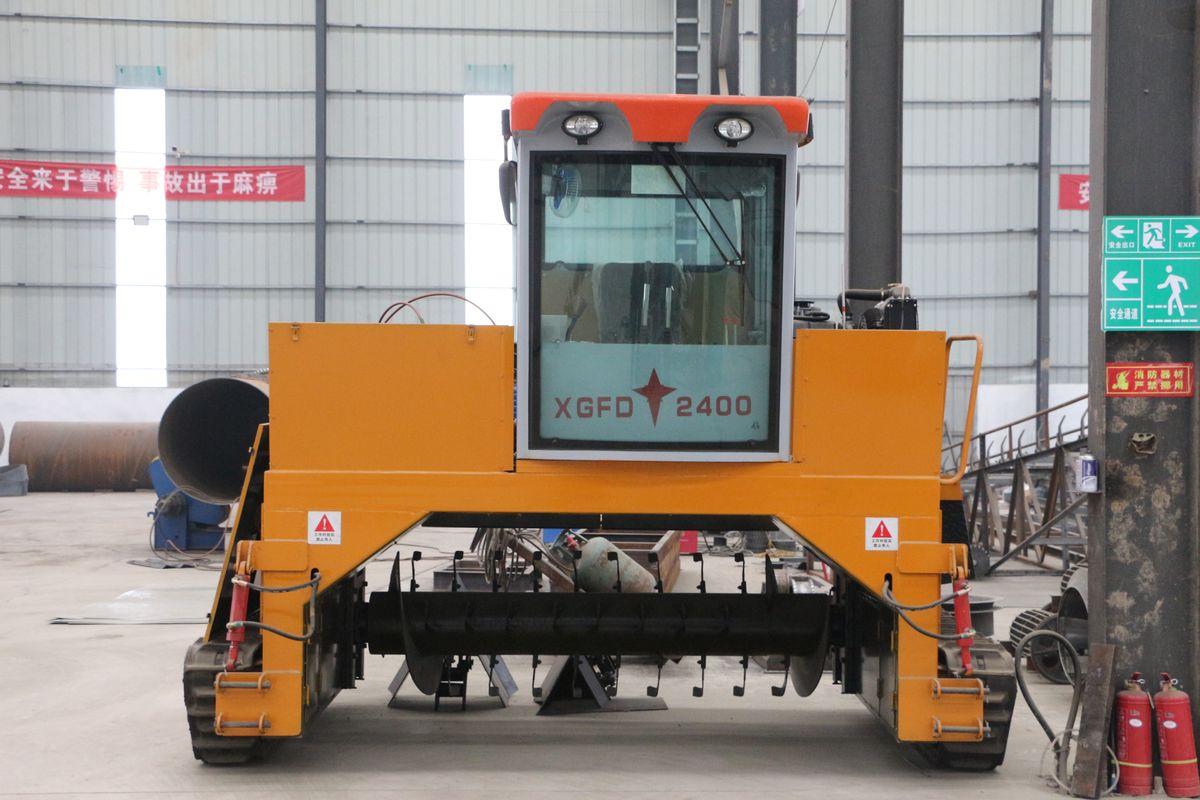
Samobieżne przerzucarki kompostu umożliwiają prowadzenie jednego operatora, obracaj i ponownie układaj jednocześnie. Idealny dla dużych gospodarstw i gospodarstw…
Czytaj więcej →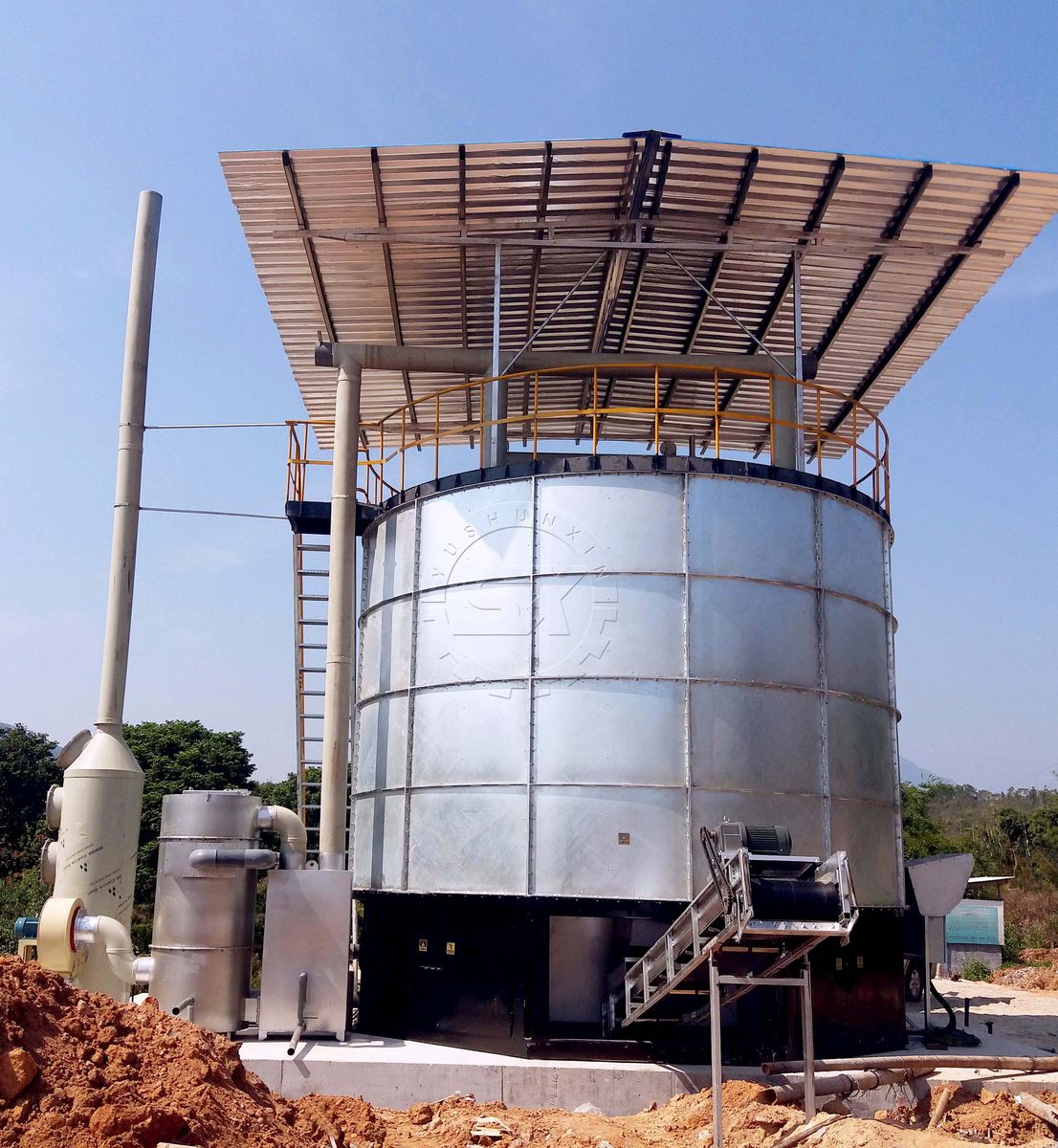
W urządzeniach do kompostowania w naczyniach z zamkniętymi zbiornikami do fermentacji tlenowej, wymuszone napowietrzanie i kontrola temperatury — idealne…
Czytaj więcej →Wyślij surowiec i docelową wydajność — nasi inżynierowie odpowiadają w ciągu jednego dnia roboczego, podając trasę procesu, lista wyposażenia i budżet.
Nasz zespół inżynierów odpowie w ciągu jednego dnia roboczego. Na coś pilnego, napisz do nas na WhatsApp.
Otwórz WhatsApp