
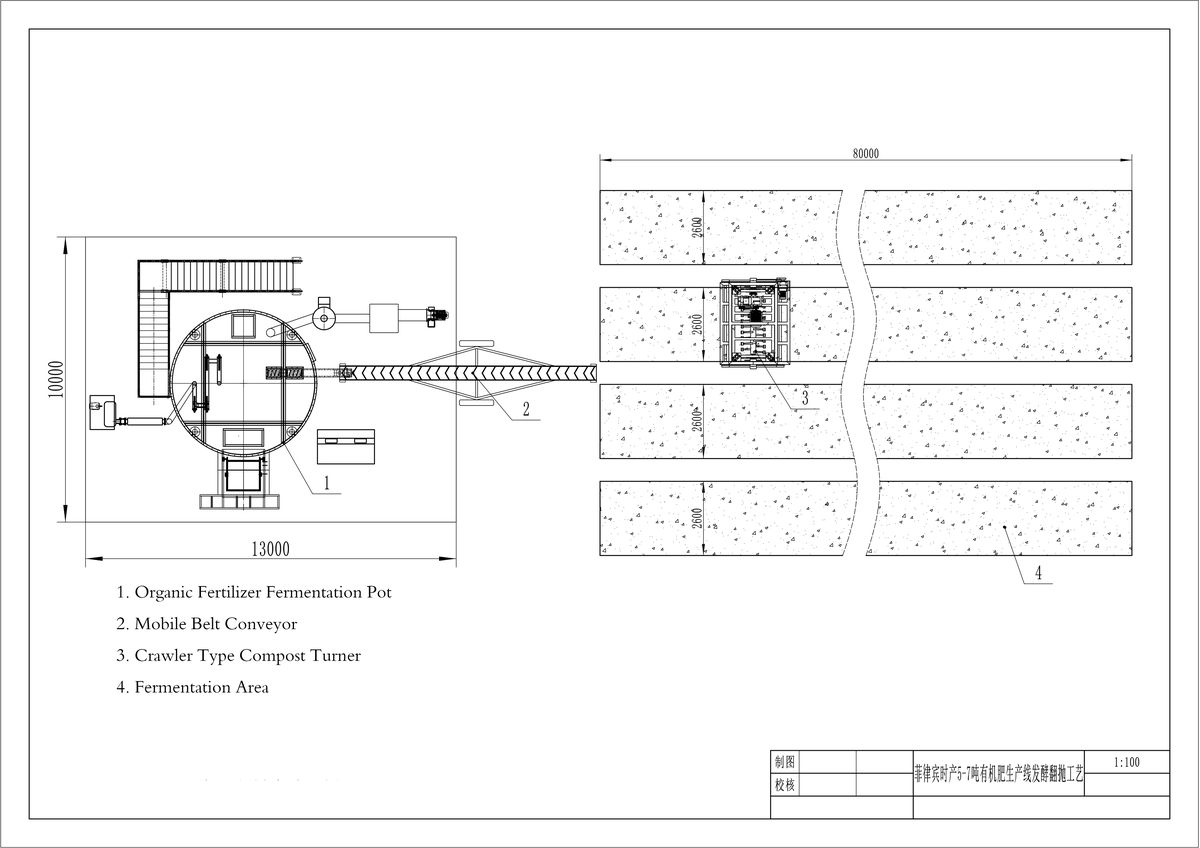
Cow & cattle dung
High fibre and high moisture. Dewater, compost 10–15 days with a windrow turner, then granulate into 3–5 mm organic pellets.
View details →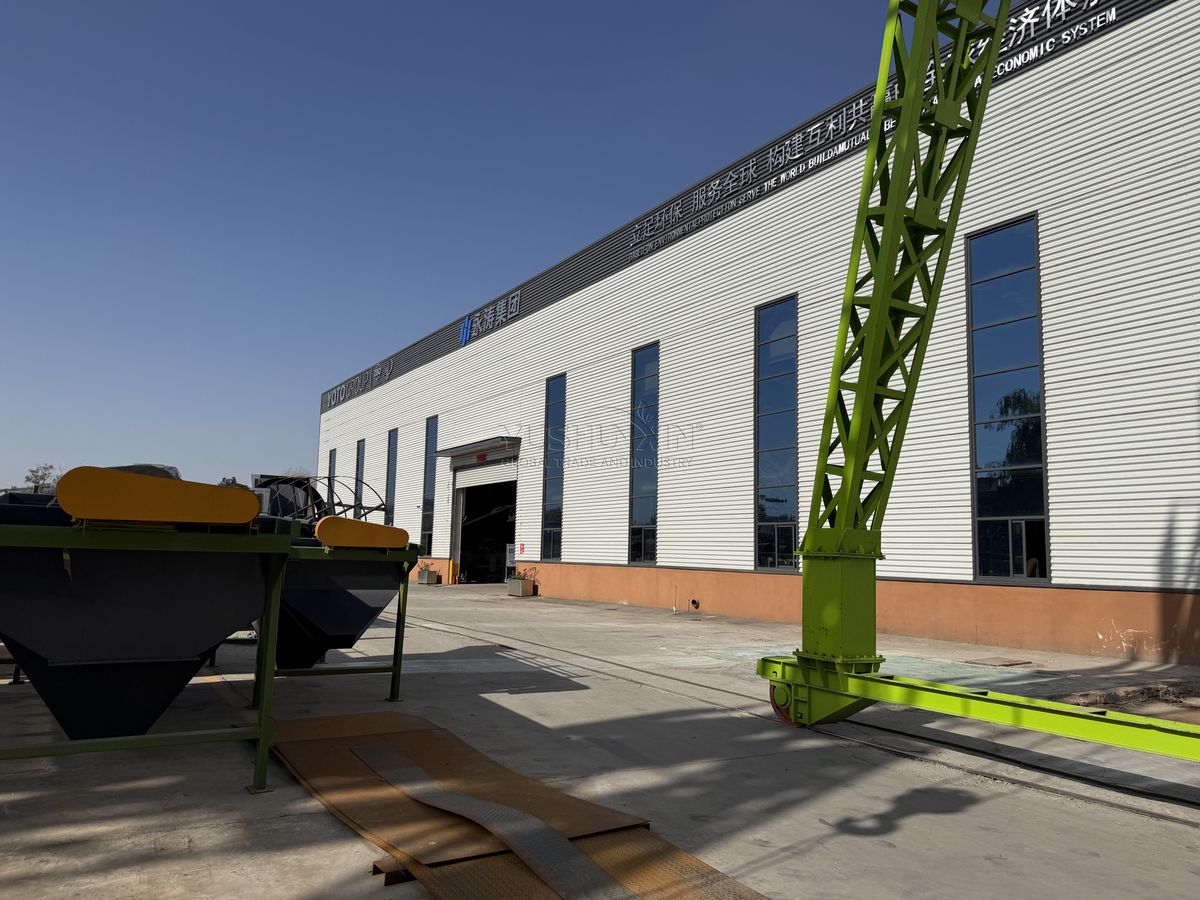
A waste to fertilizer machine is the equipment that converts organic waste — cattle and poultry manure, horse and pig manure, crop straw, food waste, market waste, sewage sludge and other biodegradable residues — into a stable, odour-free organic fertilizer that can be sold in bags. The conversion is not one machine but a short industrial process: the raw waste is dewatered, composted and fermented, crushed, blended with additives, granulated, dried, gekoeld, screened, coated and packed.
Shunxin manufactures every machine in that chain and engineers them as one plant, so the feeding rate, moisture content and granulation method of each unit match the next. That is how a waste problem becomes a product line with a reliable output, a stable pellet quality and a payback you can calculate before you buy.
Every Shunxin plant follows the same proven sequence. Stages can be shortened for powder fertilizer or extended for a fully automatic granule line.
Manure and organic waste are collected and screened for stones, plastic and metal. High-moisture slurry is dewatered by a solid liquid separator to about 60–65% moisture, the ideal starting point for aerobic composting.
Material is piled in windrows or loaded into fermentation tanks and turned by a compost turner, or aerated in an in-vessel reactor. Over 7–15 days the pile reaches 55–65 °C, pathogens and weed seeds are destroyed and the waste becomes mature, humus-rich compost.
Mature compost is crushed by a cage mill, chain crusher or semi-wet crusher so that every particle is under 3 mm — the key to a uniform, strong pellet.
The crushed compost is blended with binders, humic acid, trace elements or NPK chemicals in a horizontal mixer or batching system so each batch has the nutrient formula you want to sell.
Powder is formed into round granules by a disc granulator, rotary drum granulator or wet granulation line, or pressed by a double roller granulator for dry compound and NPK formulas.
Wet granules pass through a rotary dryer and cooler. Moisture drops to 12–14%, pellets harden, and the finished fertilizer can be stored without caking.
A rotary screener separates good pellets from oversize and fines; oversize is re-crushed and returned to the granulator, so material loss is almost zero. A drum coater then applies a film to stop caking.
Finished fertilizer is weighed and sealed into 25 kg, 40 kg or 50 kg bags, or into jumbo bags, by an automatic packing machine with a conveyor and palletiser.
The right machine configuration depends far more on the raw material than on the tonnage. Choose your waste stream to see the recommended process.
High fibre and high moisture. Dewater, compost 10–15 days with a windrow turner, then granulate into 3–5 mm organic pellets.
View details →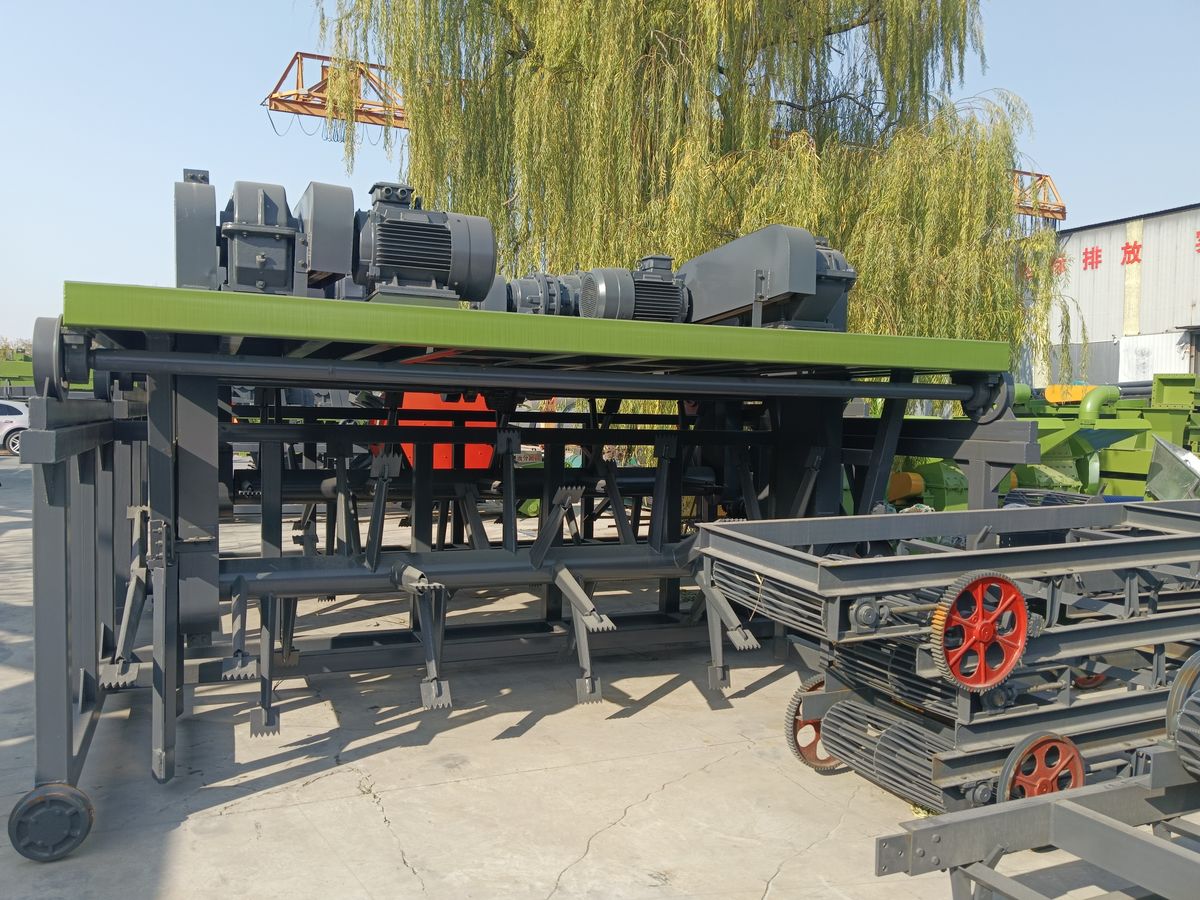
Nutrient-rich but wet and smelly. Dry, ferment and deodorise first, then produce powder or pellet organic fertilizer.
View details →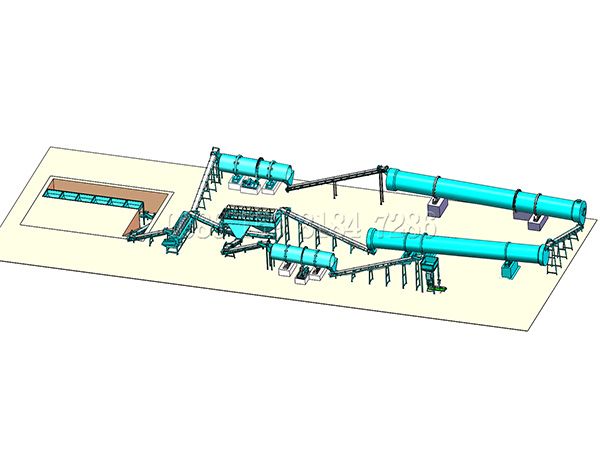
Mixed with wood shavings or straw. Groove-type or self-propelled turners handle the bulky pile efficiently.
View details →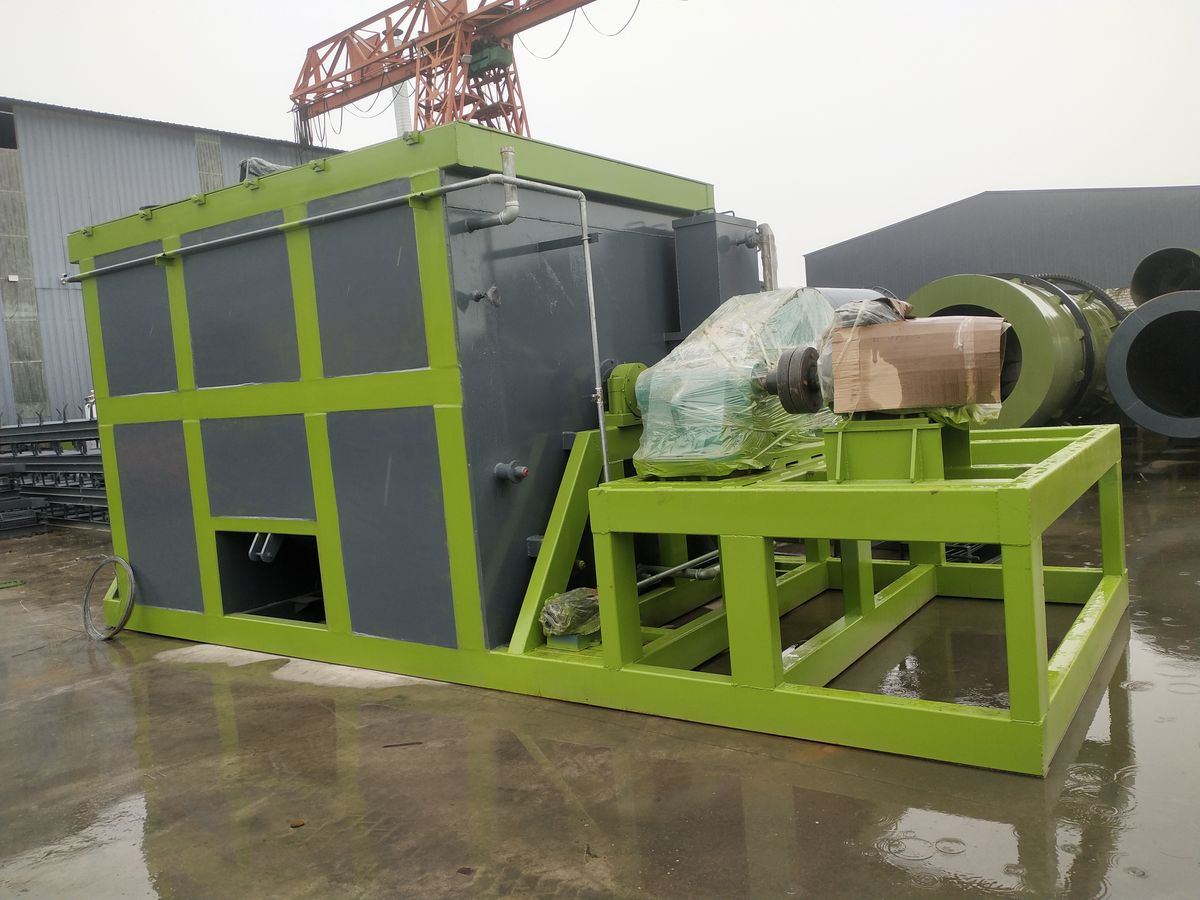
Very high moisture, fast to turn anaerobic. In-vessel composting plus secondary fermentation gives a clean, odour-free product.
View details →Straw, stalks, green waste and manure together. Blend the carbon/nitrogen ratio, compost, then granulate.
View details →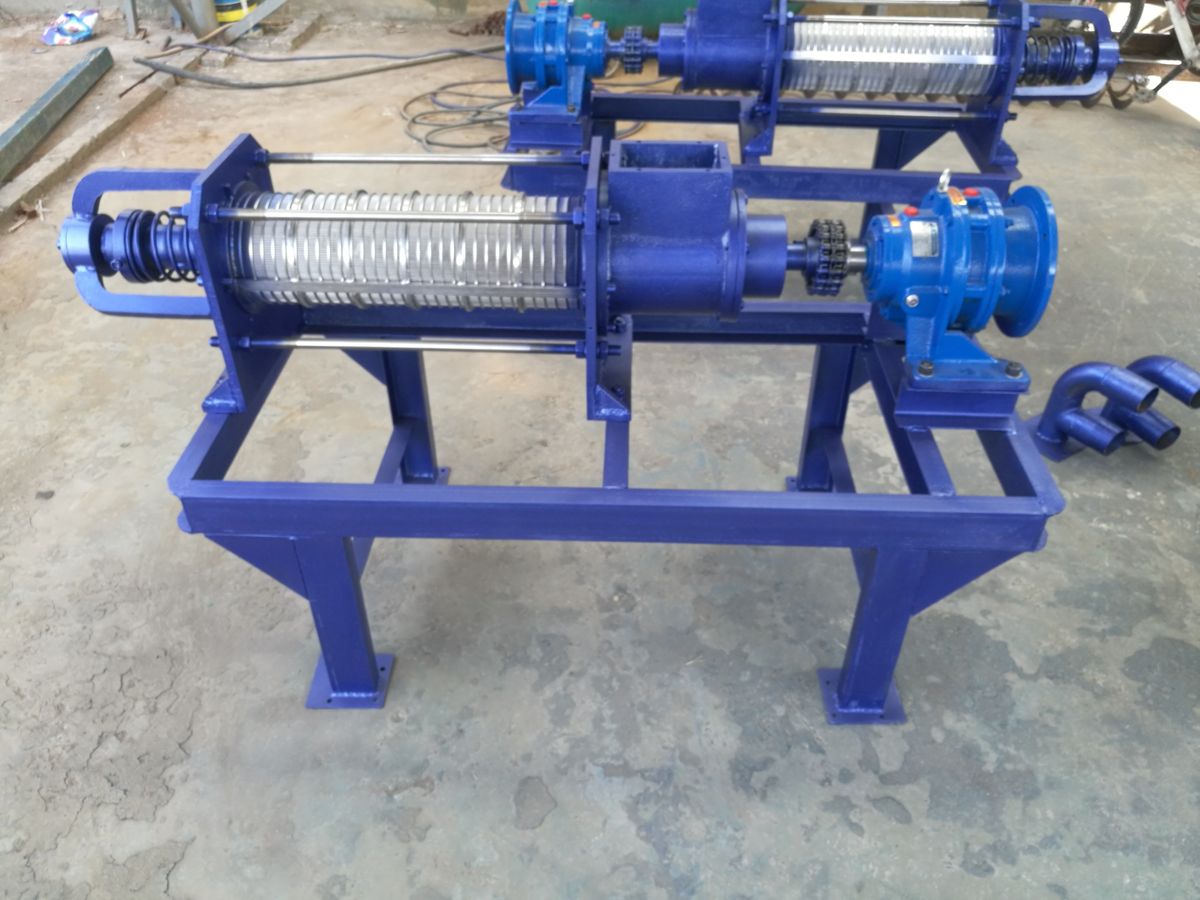
Separate solids from liquid first. Solids go to composting; liquid can be used for fertigation or further treatment.
View details →Shunxin builds four standard plant scales. Final configuration is adjusted to your material and the fertilizer form you want to sell.
| Plant scale | Typical output | Recommended main equipment | Footprint | Best for |
|---|---|---|---|---|
| Small / farm scale | 0.5–2 t/h | Solid liquid separator, small compost turner, semi-wet crusher, horizontale menger, schijfgranulator, small dryer, schermer, verpakking schaal | 300–800 m² | Farms, cooperatives, pilot projects |
| Medium scale | 3–10 t/h | Windrow or self-propelled turner, kooi molen breker, batching system, roterende trommelgranulator, rotary dryer & koeler, drum coater, automatic packing machine | 1,500–4,000 m² | Regional fertilizer producers |
| Large scale | 10–30 t/h | In-vessel composting or groove turners, kettingbreker, automatic batching, drum granulator, large dryer line, dust collector, 50 kg auto packer | 5,000–12,000 m² | Municipal and commercial plants |
| Extra large | 30–50 t/h | Multiple fermentation lines, full conveying system, double roller granulation for compound formulas, redundant packing lines | 12,000 m²+ | Group-scale fertilizer factories |
Browse by equipment family and we will match the models to your capacity and raw material.
Solid liquid separators, dewatering, in-vessel fermentation and complete waste-to-fertilizer solutions.
View details →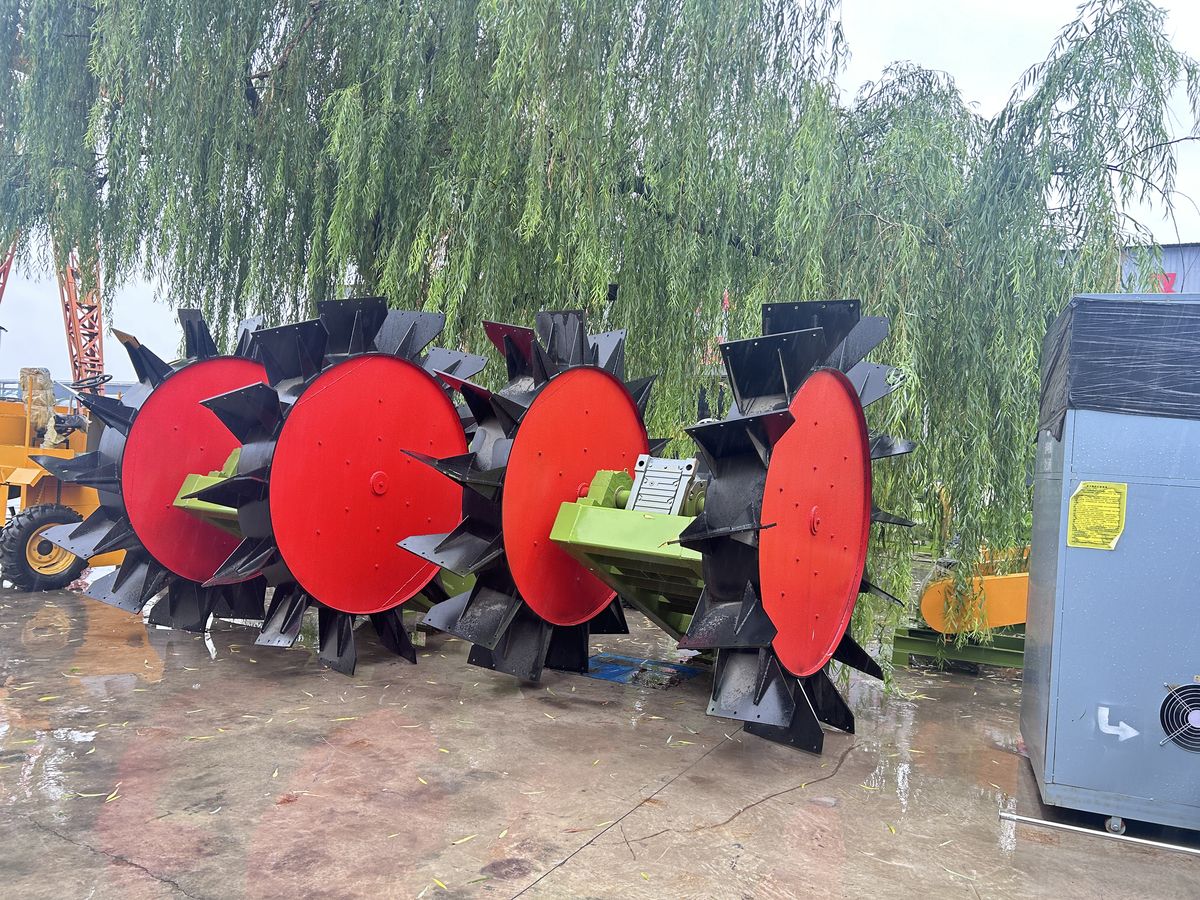
Windrow turners, groove turners, self-propelled and forklift turners, in-vessel composting systems, manure compost equipment.
View details →Organic, bio-organic, verbinding, NPK and bulk-blending (BB) fertilizer production lines from 1 naar 50 e.
View details →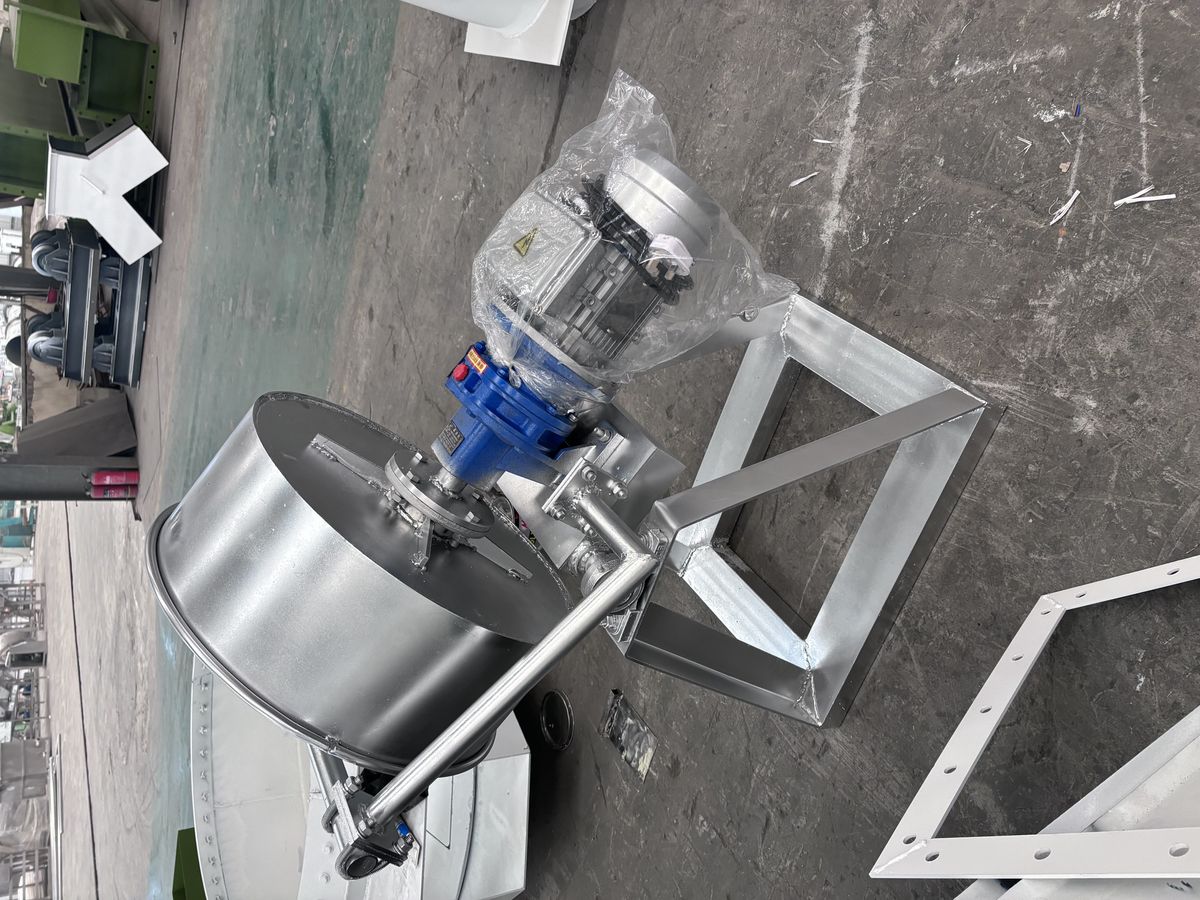
Disc, rotary drum, double roller, wet and dry granulation machines for organic and compound fertilizer pellets.
View details →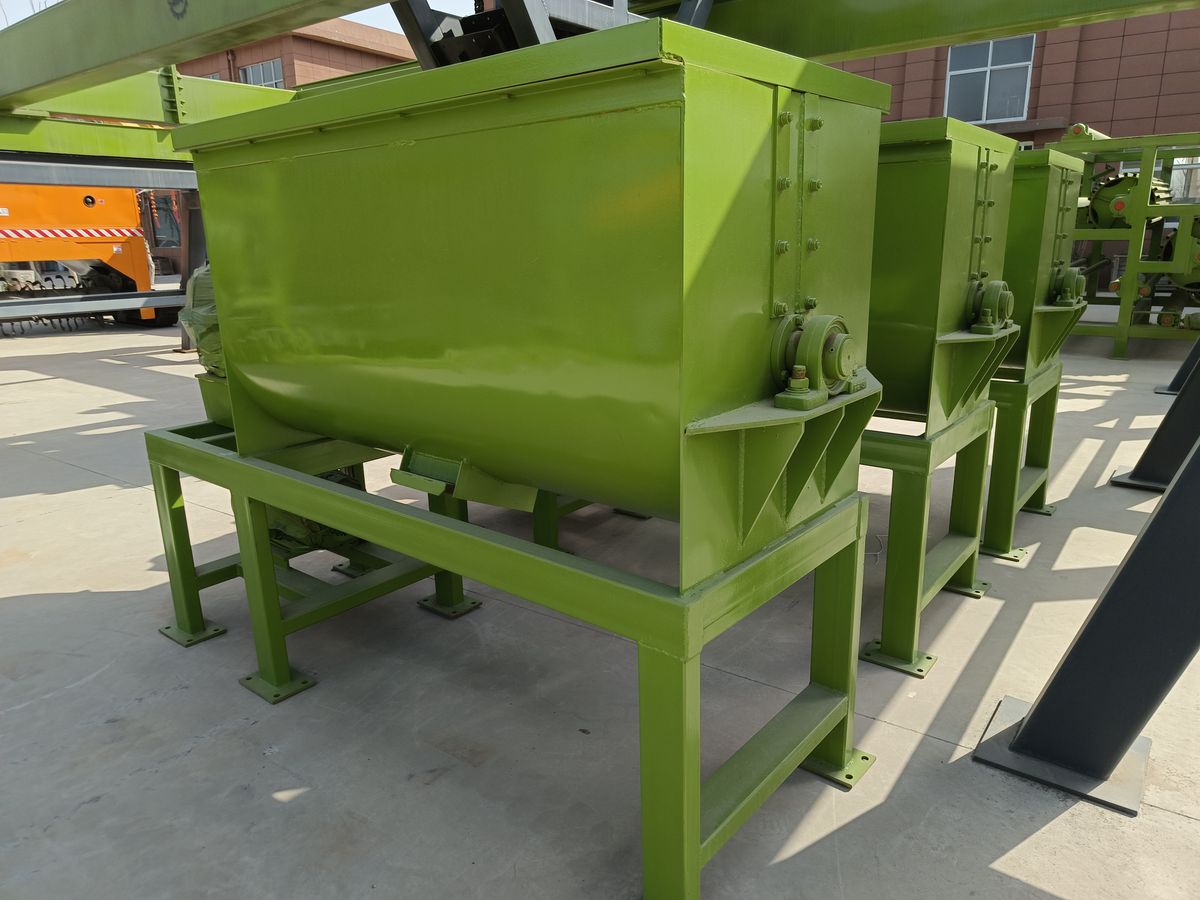
Horizontal mixers, granules mixers, crushers, cage mills and rotary dryers that complete every production line.
View details →Gefotografeerd in onze werkplaats in Xingyang en op locaties van klanten. Watermerkvrij, geen telefoonnummers.
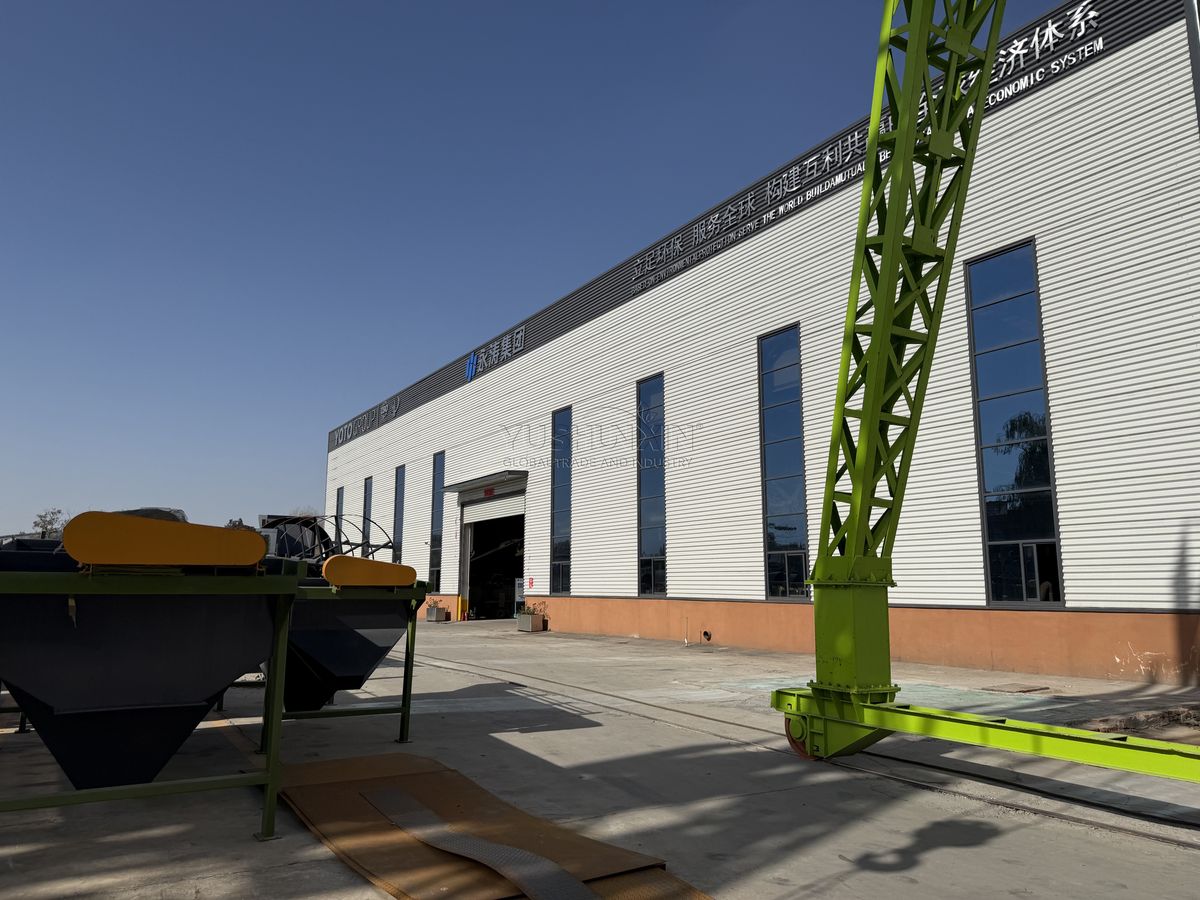
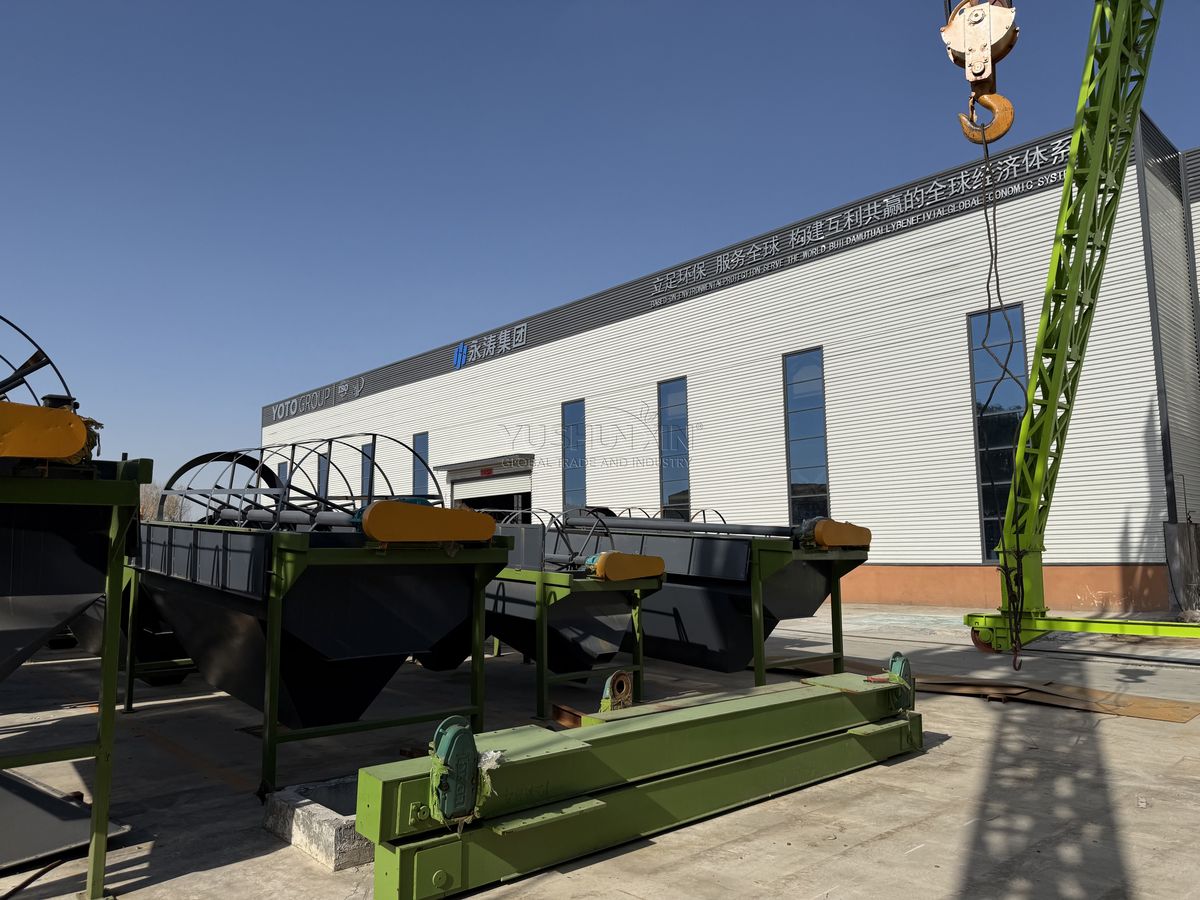
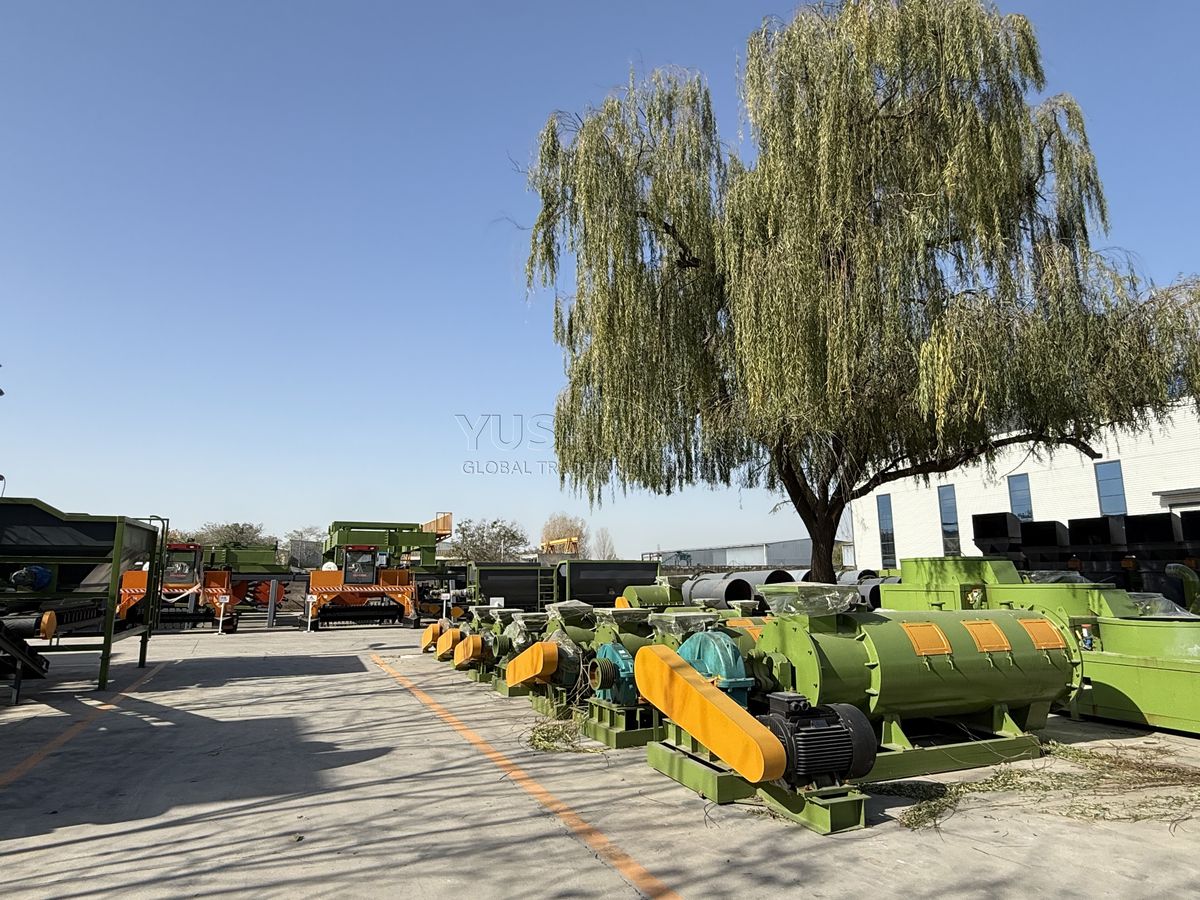
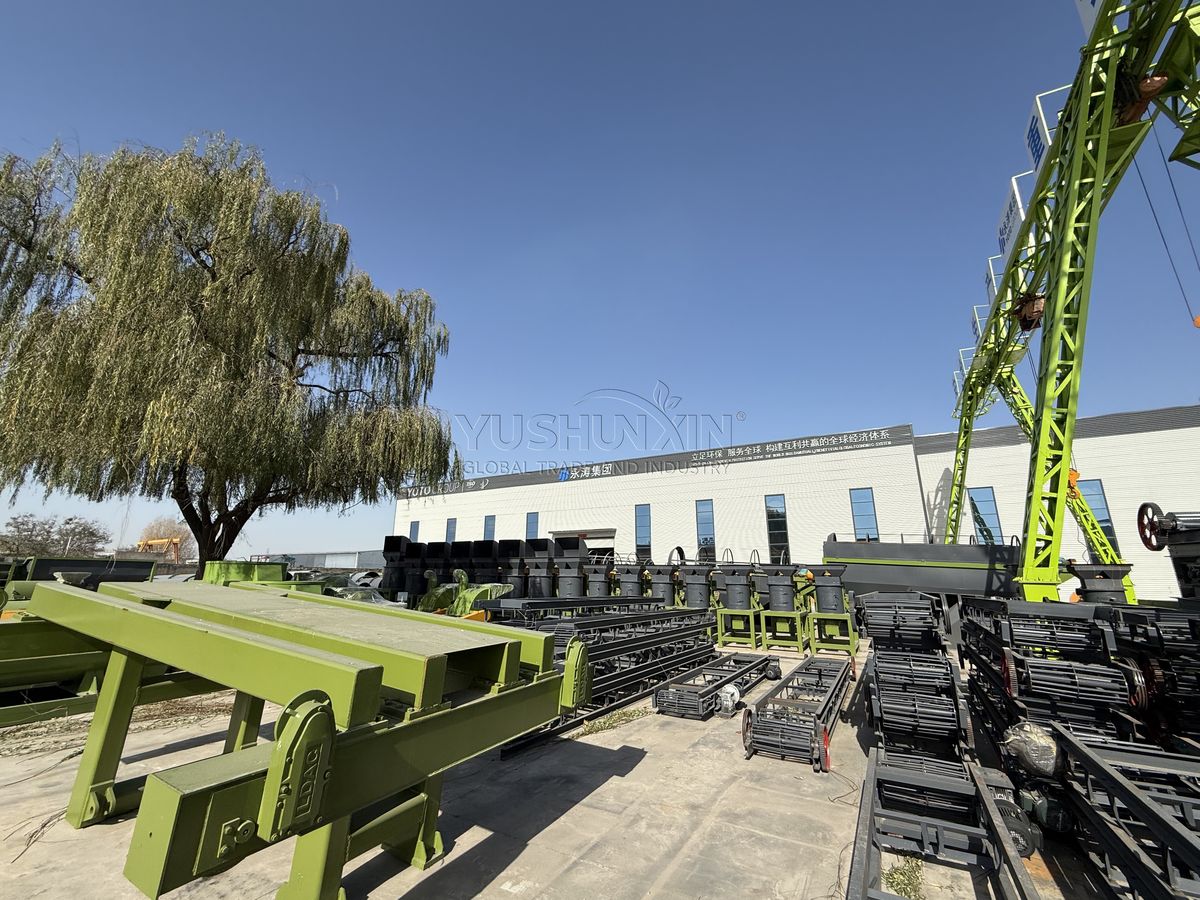
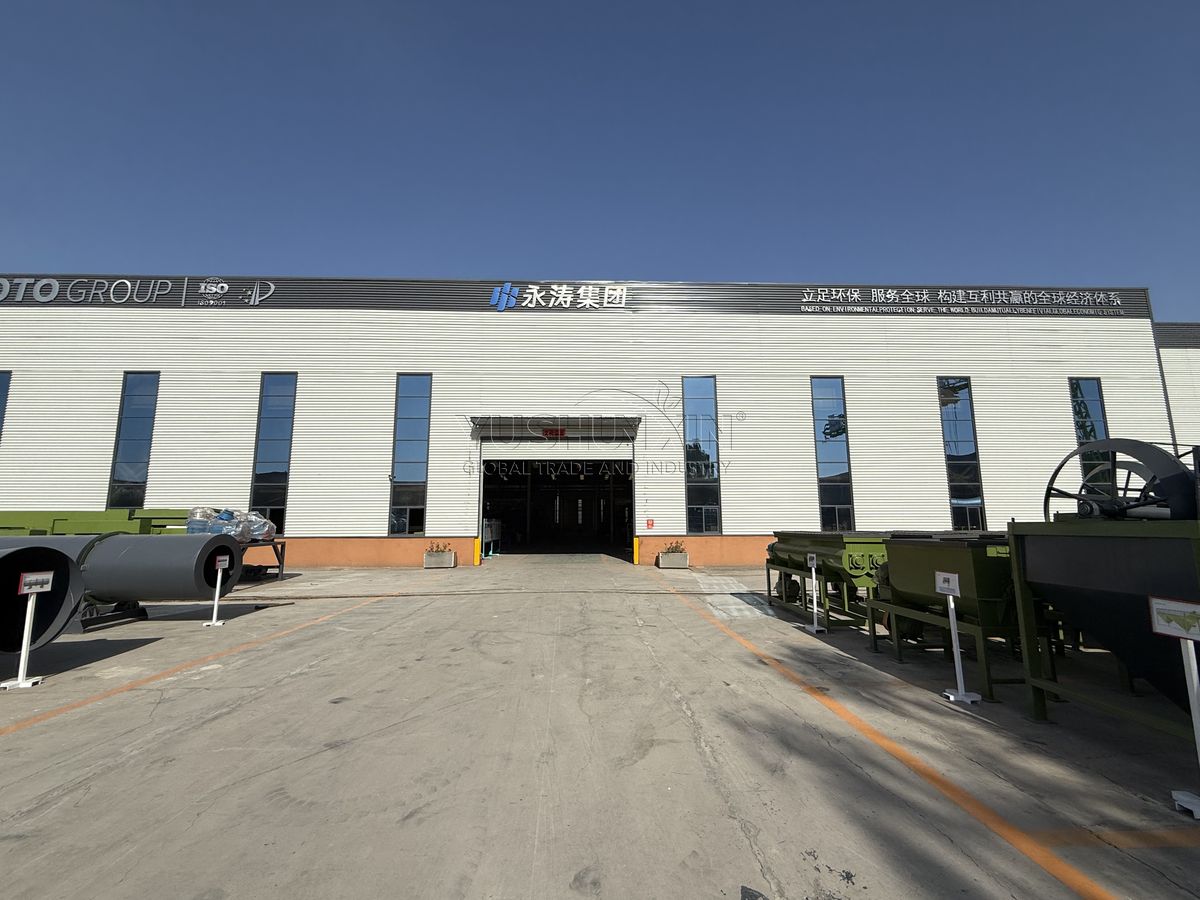
A small farm-scale powder line starts from a single compost turner, crusher, mixer and packing scale. A complete granule line with dryer, koeler, screener and coater costs substantially more because of the conveying, drying and dust-removal systems. Price is driven by capacity (e), automation level and the fertilizer form. Send us your raw material, daily tonnage and target fertilizer type and we will return a full equipment list with budget.
Fermentation is the longest stage: 7–15 days for aerobic windrow composting, or 7–10 days in an in-vessel fermentation tank with forced aeration. Na compostering, verpletteren, mengen, granuleren, drogen, koeling, screening and packing are continuous in-line operations, usually completed within a few hours.
Yes. Organic fertilizer and NPK/compound fertilizer use different granulation methods. Organic material with 25–35% moisture is best granulated in a disc or rotary drum granulator; dry chemical powders such as urea, ammonium sulphate and potassium sulphate are better pressed by a double roller granulator. Many customers install one line with both granulation units so they can change product with the market.
Around 25–35% moisture for disc, pan and rotary drum granulation, and below 5% for dry double-roller granulation of chemical powders. Compost normally leaves fermentation at 55–65% moisture, so it is dried or blended with dry material and binder before granulation. We size the dryer and cooler with the final capacity in mind.
Yes. Shunxin provides foundation drawings and layout drawings with the equipment, sends an engineer to the site for installation and commissioning, and trains your operators on start-up, normal operation, maintenance and troubleshooting. Our service team supports the plant remotely for the whole equipment life.
Vertel het ons alstublieft: (1) raw material and its moisture content, (2) daily or hourly capacity you need, (3) the fertilizer you want to sell — powder or granule, organic or compound, (4) your country and site conditions, En (5) your automation and budget expectations. We reply with a recommended process and equipment list.
Waste to fertilizer solutions from Shunxin: dewatering, composteren, granuleren, drying and packing. Turn manure, farm…
Lees meer →Composteerapparatuur van Shunxin: Zwad- en groefdraaiers, zelfrijdende en vorkheftruck compostkeerders, en in-ves…
Lees meer →Complete fertilizer production lines from 1 naar 50 e: organisch, bio-organic, verbinding, NPK and bulk blending (BB) plan…
Lees meer →Fertilizer granulators compared: disc (pan), rotary drum, double roller, wet and dry granulation machines, with the gr…
Lees meer →Fertilizer processing equipment from Shunxin: horizontal mixers, granules mixers, crushers, cage mills and rotary drye…
Lees meer →Contact Shunxin for waste to fertilizer machines and complete plants. Tell us your raw material, capacity and country …
Lees meer →Stuur uw grondstof en beoogde capaciteit – onze engineers antwoorden binnen één werkdag met een procestraject, uitrustingslijst en budget.
Ons engineeringteam zal binnen één werkdag antwoorden. Voor alles wat dringend is, stuur ons een bericht via WhatsApp.
WhatsApp openen