
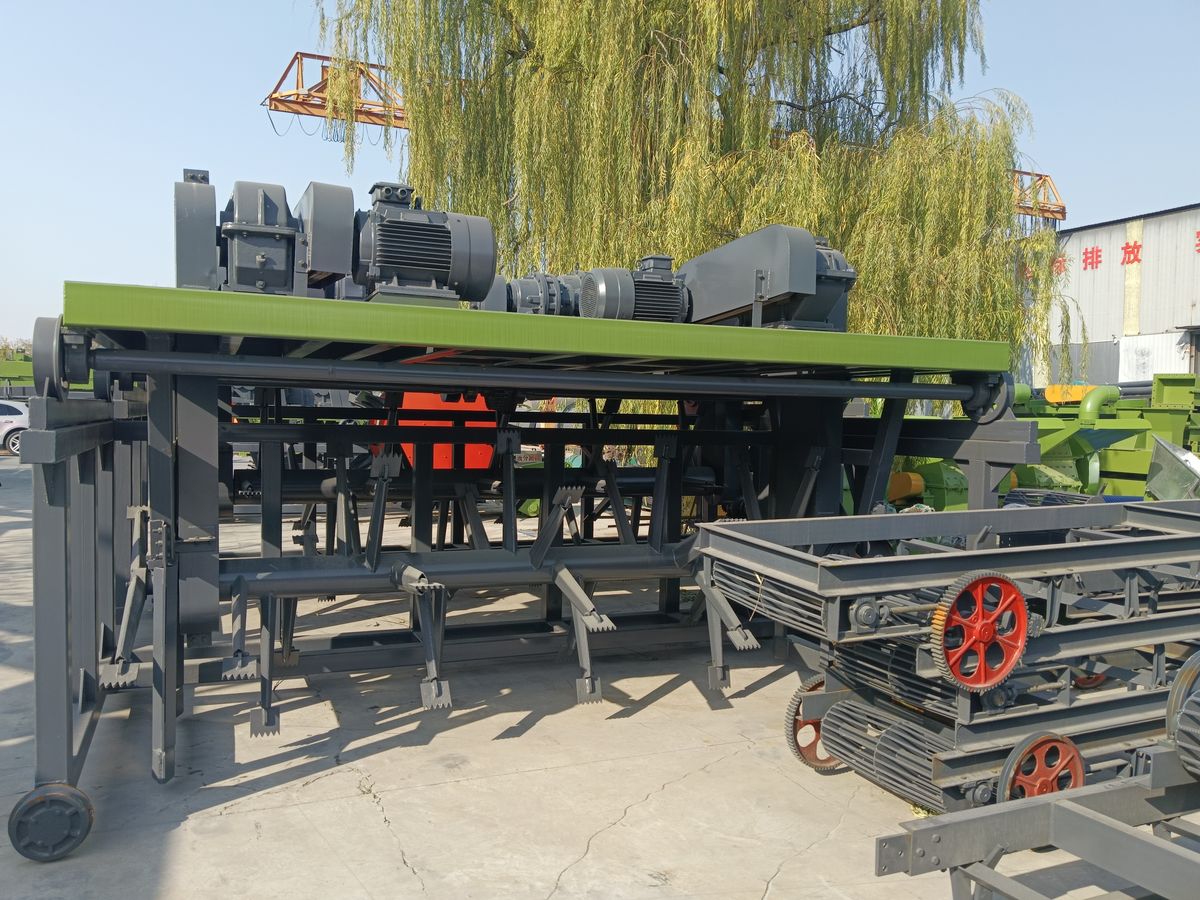
Macchina da compost su larga scala
Macchine rivoltatrici di compost di grandi dimensioni per piante da 100–1.000 t/giorno: tipo scanalato, ribaltatori a ruota e a catena per mu…
Leggi di più→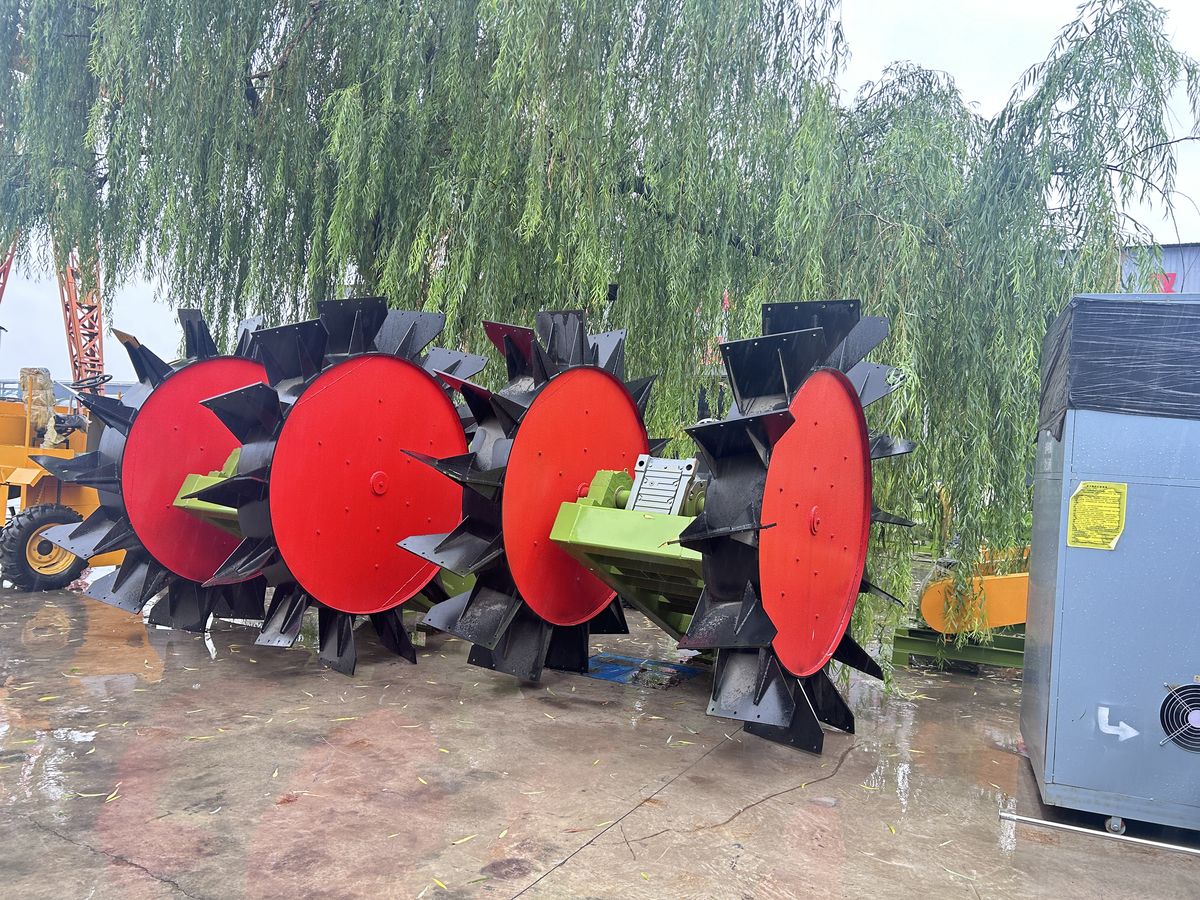
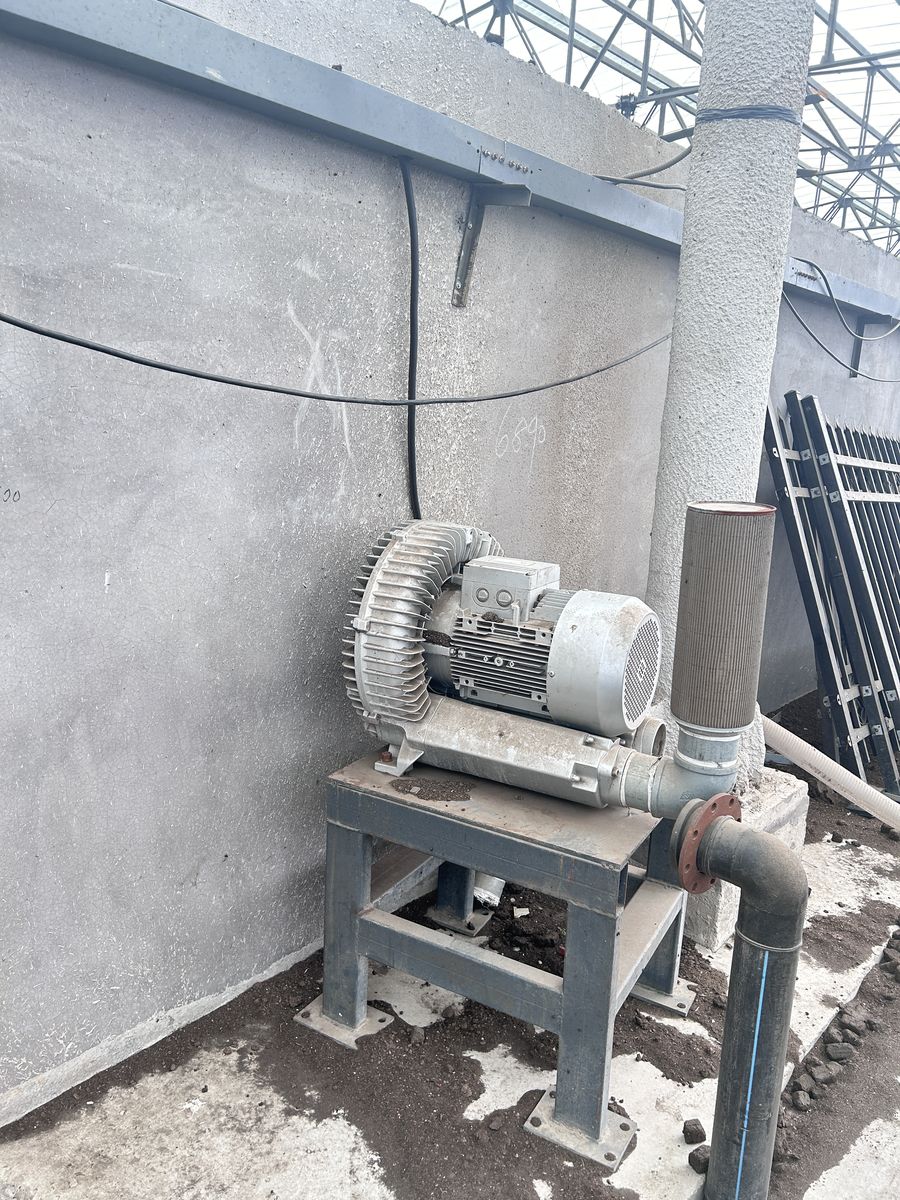
Composting equipment is the core of a waste-to-fertilizer plant, because fermentation determines whether the finished product is stable, hygienic and safe to sell. Shunxin manufactures the full range: moving and crawler windrow turners for open pads, groove-type turners on rails for fixed factory layouts, self-propelled machines that a single operator drives, chain plate turners for deep bays, forklift attachments for low-investment operations, and fully enclosed in-vessel fermentation tanks for odour-sensitive urban sites.
Choosing between them is a question of tonnage, layout and how much control you need over temperature and odour. UN 100 t/day farm composting manure in an open yard needs a robust turner and good drainage. UN 500 t/day municipal plant composting food waste in a residential district needs closed vessels, forced aeration and biofiltration. Between those two extremes, this page and the linked equipment pages explain the trade-offs.
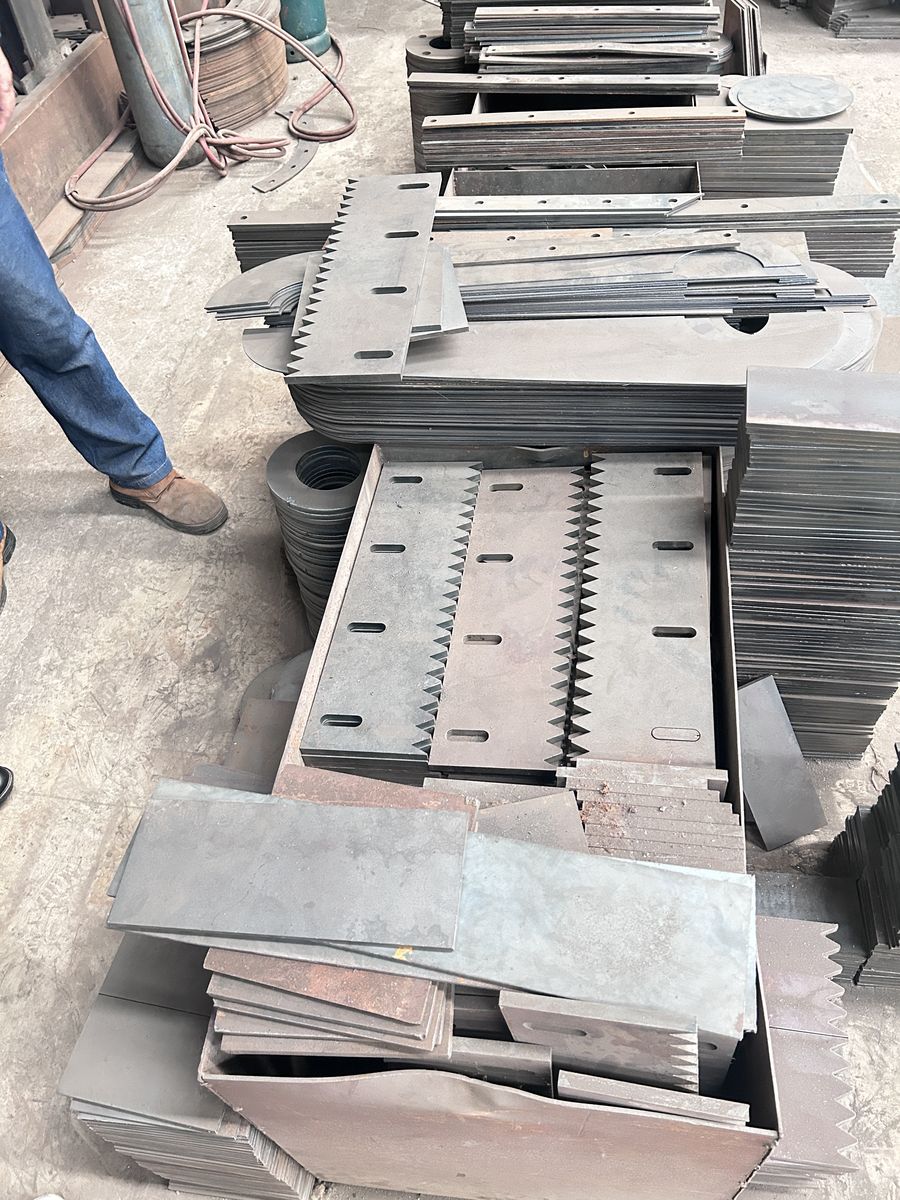
Fotografato nel nostro laboratorio di Xingyang e presso i siti dei clienti. Senza filigrana, nessun numero di telefono.



Four things: enough turning width and drum diameter to aerate the whole pile, a slow rotating drum that lifts and mixes rather than smearing the material, a chassis strong enough for the daily duty cycle, and hydraulic control so the drum height follows the pile. A turner that only throws material from the top leaves the core anaerobic.
For most manure a windrow of 1.5–2 m height and 3–4 m base width is ideal, giving a core that stays above 55 °C without becoming anaerobic. Very wide piles need more turning capacity; very narrow piles lose heat and take longer.
SÌ, but not in an open windrow at high volume. Food waste and sludge are wetter and more odorous, so they are normally processed in in-vessel fermentation tanks or in grooved channels with aeration and a bulking agent, then finished in windrows.
A self-propelled turner is faster to reposition and needs only one operator, which suits contractors, multiple piles and changing layouts. A towed or crawler turner pulled by a tractor costs less and works well when the piles stay in a fixed line.
A compost turner machine is priced by its turning principle and working width, not by the brand alone. A tractor-mounted moving turner is the lowest-investment option because it uses the tractor you already own; a self-powered crawler windrow turner is the standard mid-range choice for 100–500 t/day fertilizer plants; groove-type and chain plate turners cost more because they run on rails inside a concrete fermentation bay; and a closed in-vessel composter is the highest-cost option because it carries the aeration, insulation and biofilter of the whole primary stage. Tell us your daily tonnage, windrow width and raw material and we will quote the turner alone or matched to a separator, screener and deodorising system.
Macchine rivoltatrici di compost di grandi dimensioni per piante da 100–1.000 t/giorno: tipo scanalato, ribaltatori a ruota e a catena per mu…
Leggi di più→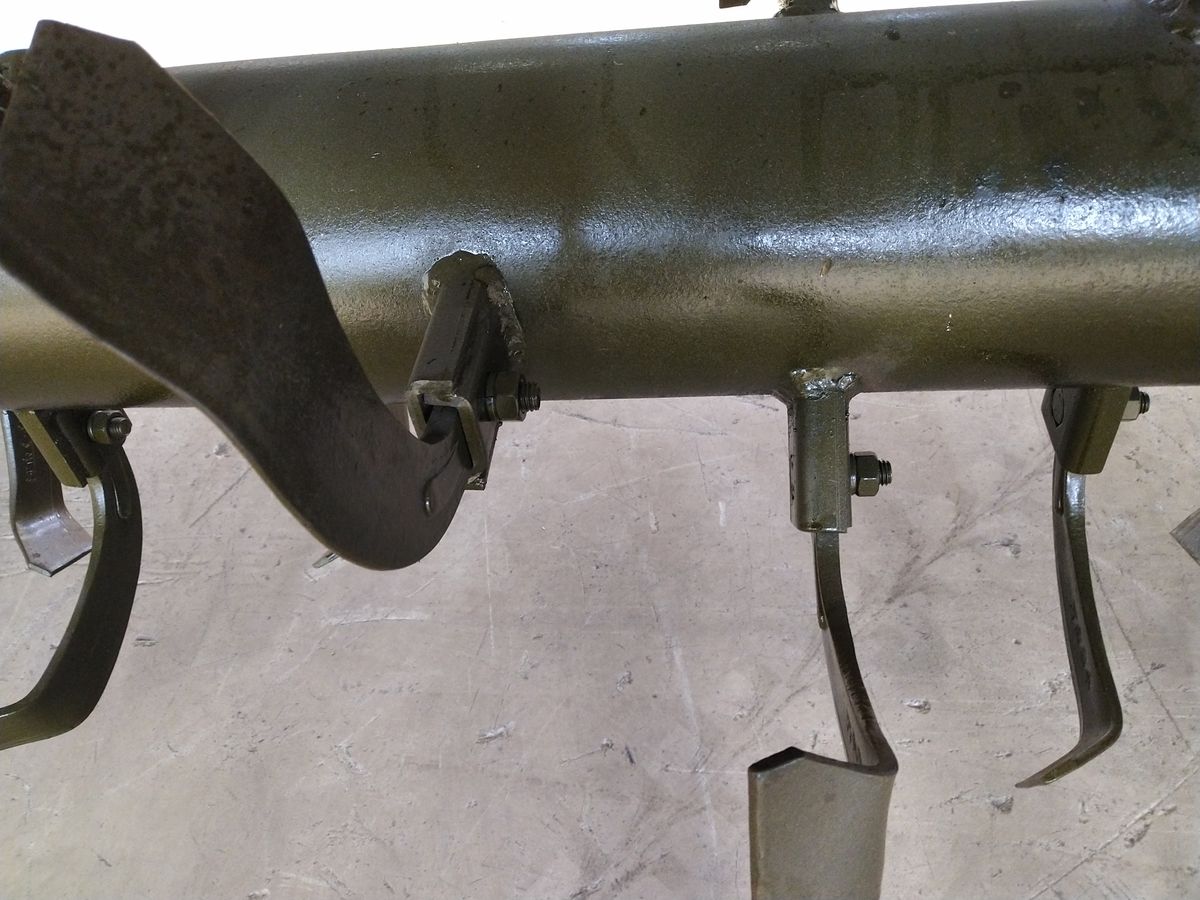
Rivoltatori di andane in vendita: rivoltatori di compost di tipo cingolato e mobile che arieggiano le andane aperte e producono rapidamente il compost. Id…
Leggi di più→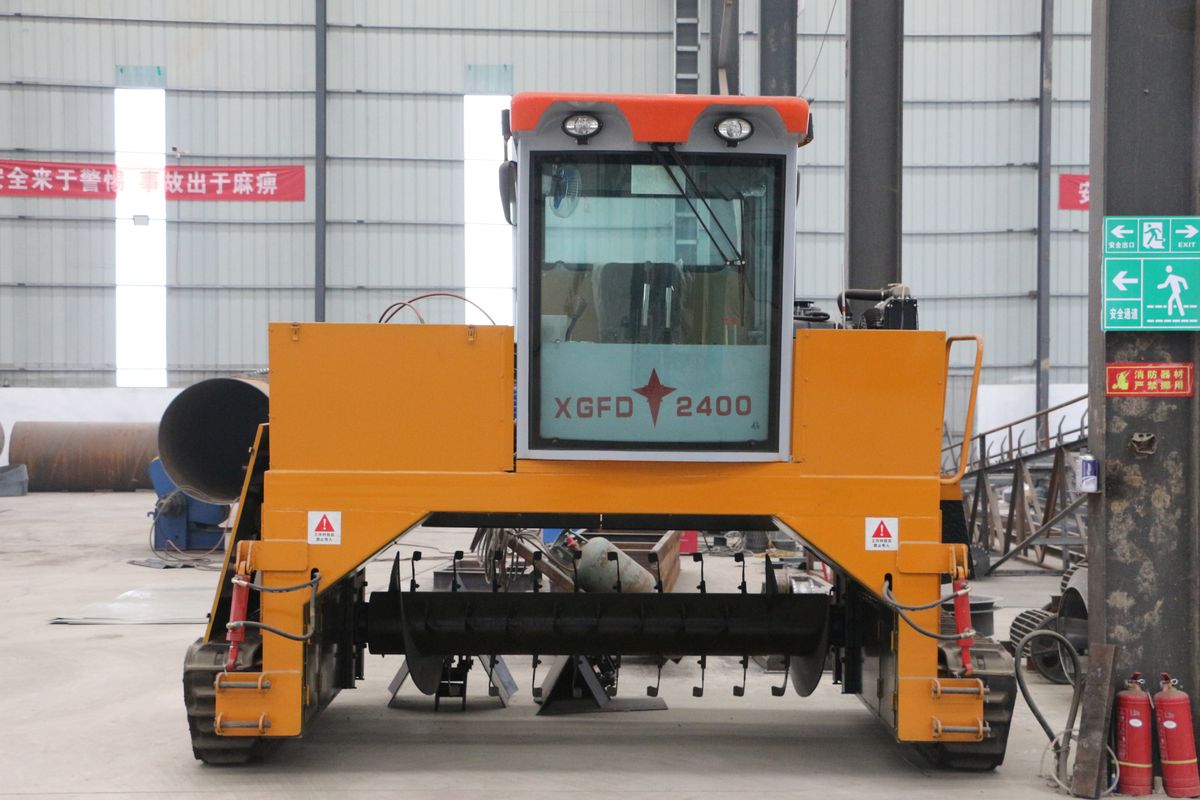
I rivoltatori di compost semoventi consentono la guida di un operatore, girare e impilare nuovamente contemporaneamente. Ideale per grandi aziende agricole e conti…
Leggi di più→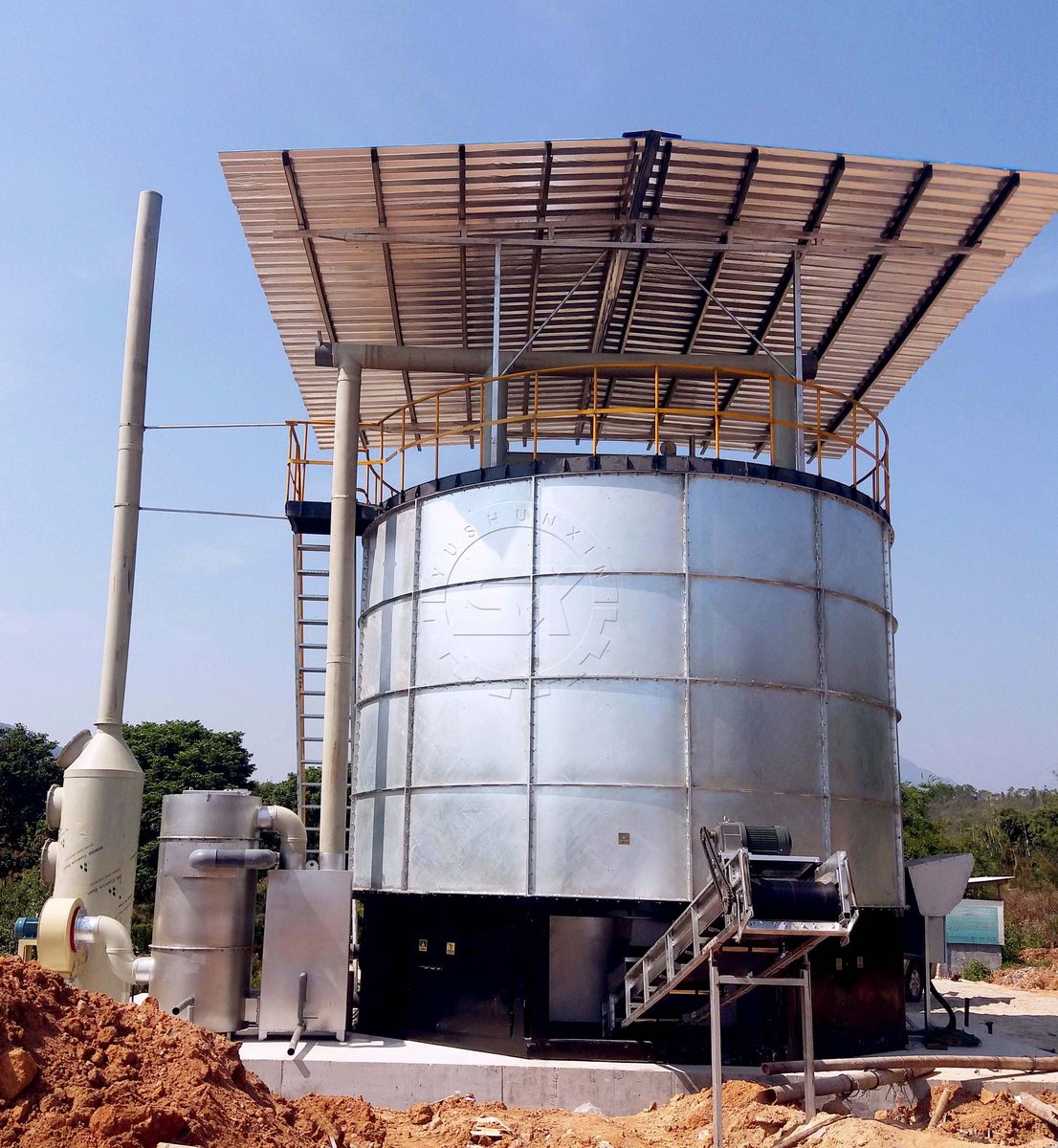
Apparecchiature per il compostaggio in nave con serbatoi di fermentazione aerobica chiusi, aerazione forzata e controllo della temperatura: ideali...
Leggi di più→Invia la tua materia prima e la capacità target: i nostri ingegneri rispondono entro un giorno lavorativo con un percorso di processo, elenco delle attrezzature e budget.
Il nostro team di tecnici risponderà entro un giorno lavorativo. Per qualsiasi cosa urgente, inviaci un messaggio su WhatsApp.
Apri WhatsApp