
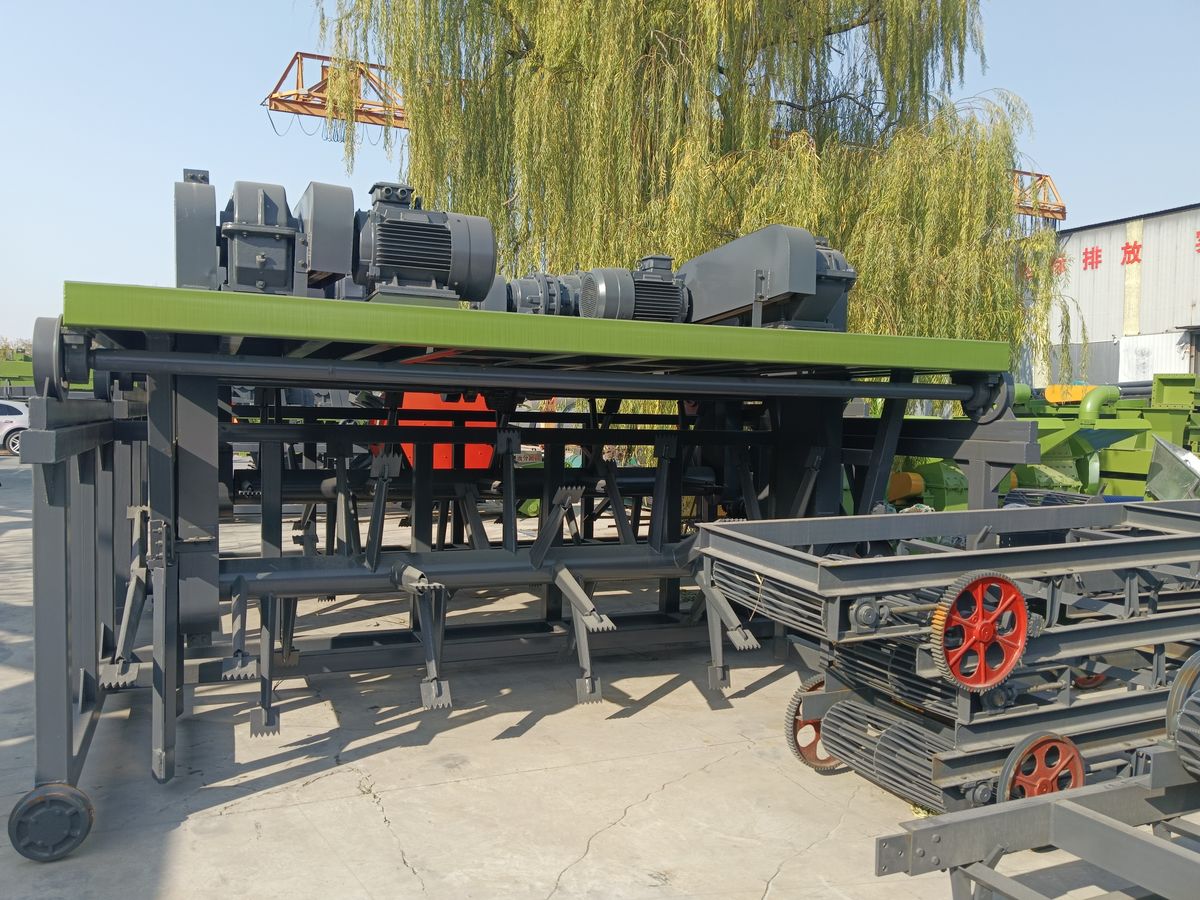
Rozsáhlý kompostový stroj
Velké stroje na převracení kompostu pro zařízení s kapacitou 100–1 000 t/den: drážkového typu, obraceče kotoučových a řetězových desek pro mu…
Čtěte více →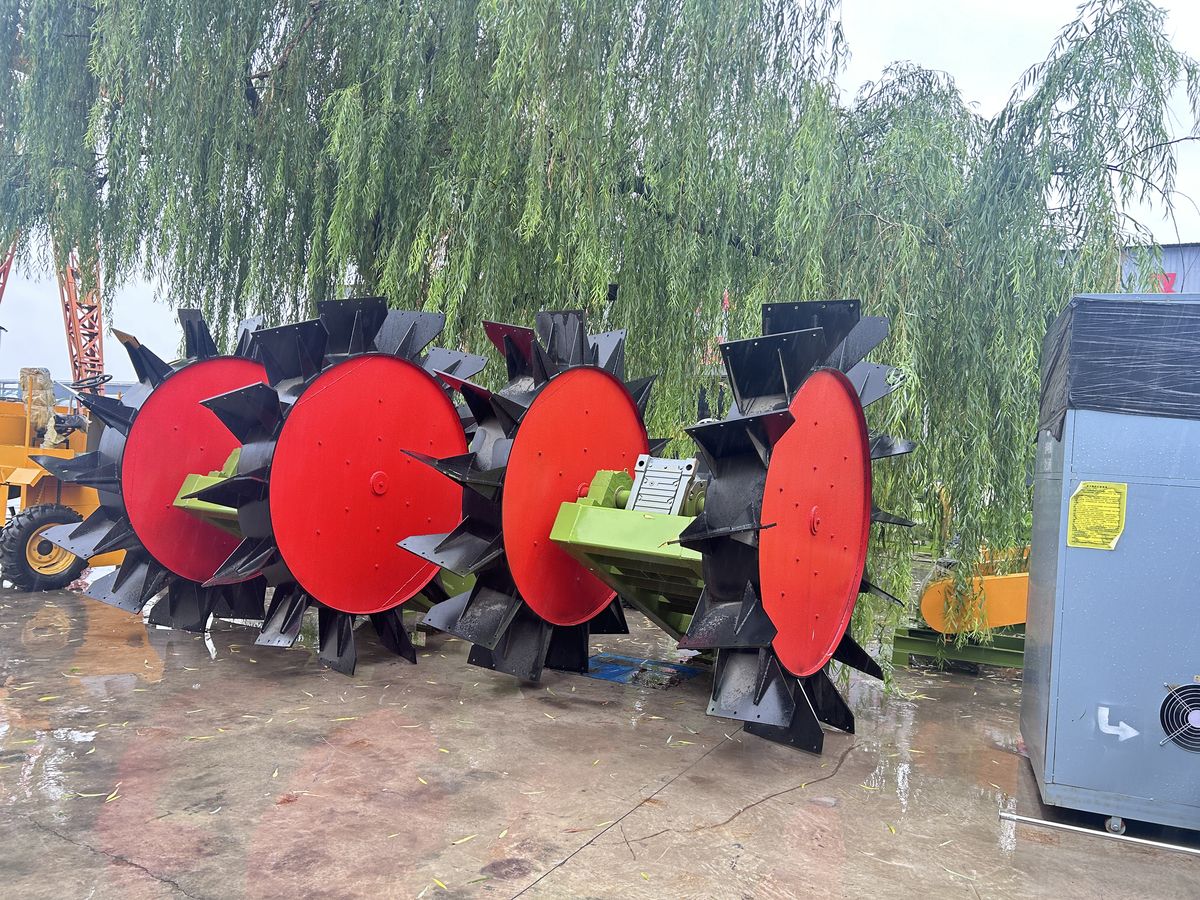
Composting equipment is the core of a waste-to-fertilizer plant, because fermentation determines whether the finished product is stable, hygienic and safe to sell. Shunxin manufactures the full range: moving and crawler windrow turners for open pads, groove-type turners on rails for fixed factory layouts, self-propelled machines that a single operator drives, chain plate turners for deep bays, forklift attachments for low-investment operations, and fully enclosed in-vessel fermentation tanks for odour-sensitive urban sites.
Choosing between them is a question of tonnage, layout and how much control you need over temperature and odour. A 100 t/day farm composting manure in an open yard needs a robust turner and good drainage. A 500 t/day municipal plant composting food waste in a residential district needs closed vessels, forced aeration and biofiltration. Between those two extremes, this page and the linked equipment pages explain the trade-offs.
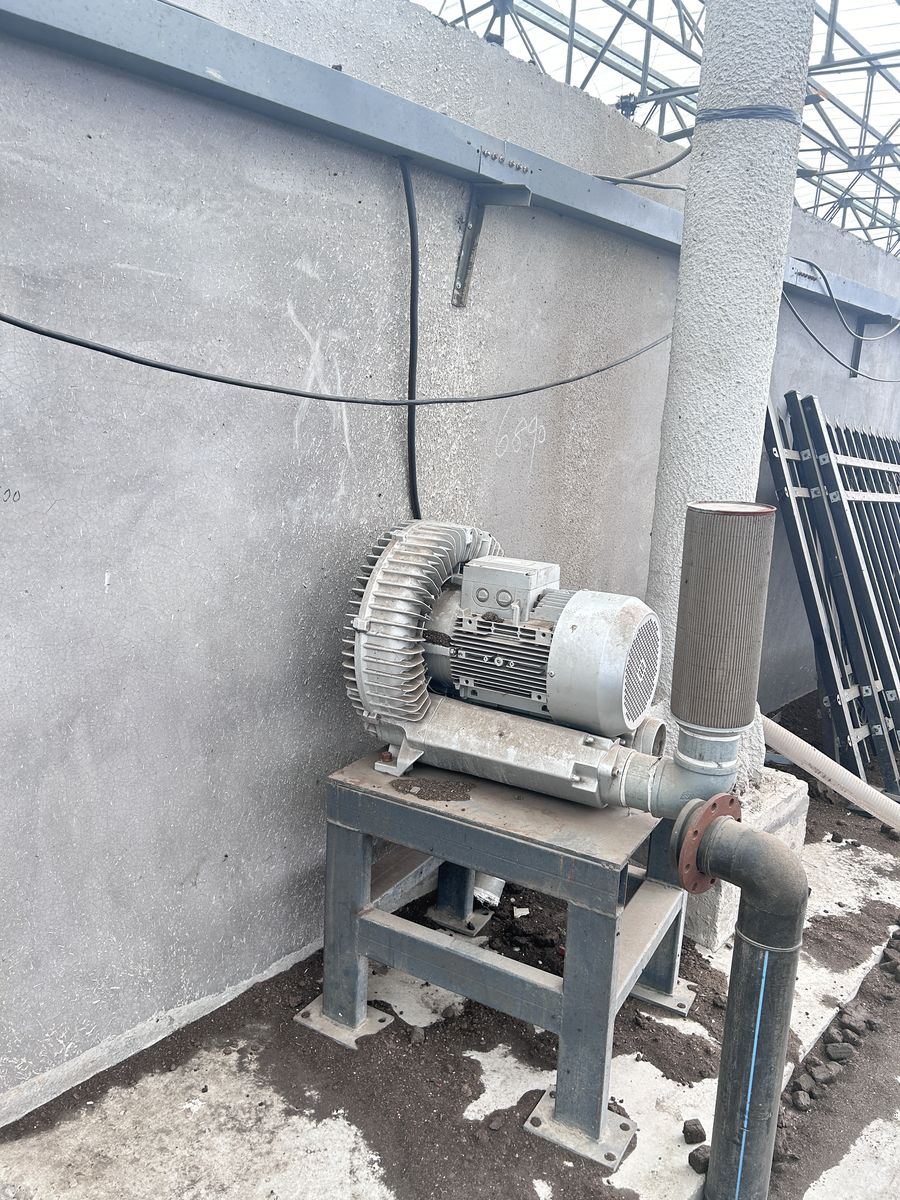
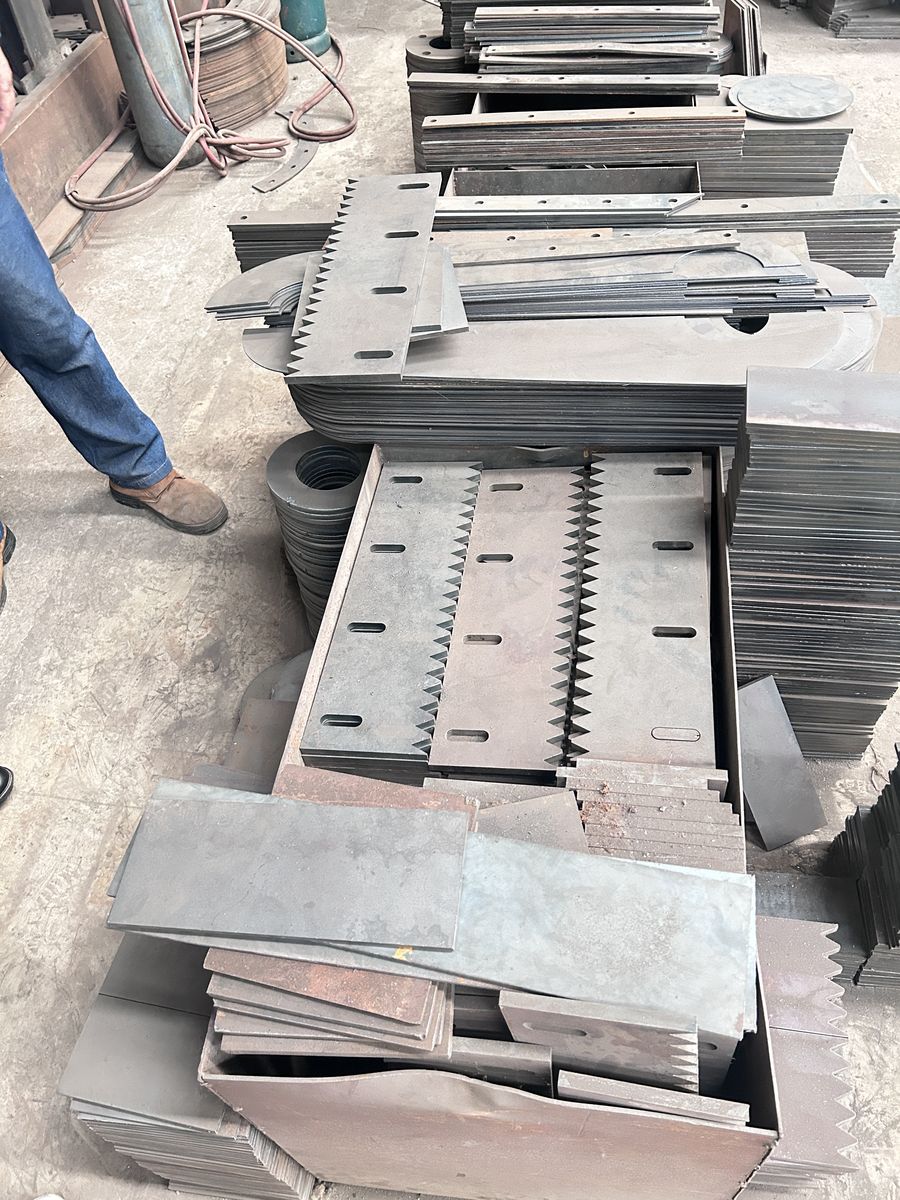
Fotografováno v naší dílně Xingyang a na zákaznických stránkách. Bez vodoznaku, žádná telefonní čísla.



Four things: enough turning width and drum diameter to aerate the whole pile, a slow rotating drum that lifts and mixes rather than smearing the material, a chassis strong enough for the daily duty cycle, and hydraulic control so the drum height follows the pile. A turner that only throws material from the top leaves the core anaerobic.
For most manure a windrow of 1.5–2 m height and 3–4 m base width is ideal, giving a core that stays above 55 °C without becoming anaerobic. Very wide piles need more turning capacity; very narrow piles lose heat and take longer.
Ano, but not in an open windrow at high volume. Food waste and sludge are wetter and more odorous, so they are normally processed in in-vessel fermentation tanks or in grooved channels with aeration and a bulking agent, then finished in windrows.
A self-propelled turner is faster to reposition and needs only one operator, which suits contractors, multiple piles and changing layouts. A towed or crawler turner pulled by a tractor costs less and works well when the piles stay in a fixed line.
Velké stroje na převracení kompostu pro zařízení s kapacitou 100–1 000 t/den: drážkového typu, obraceče kotoučových a řetězových desek pro mu…
Čtěte více →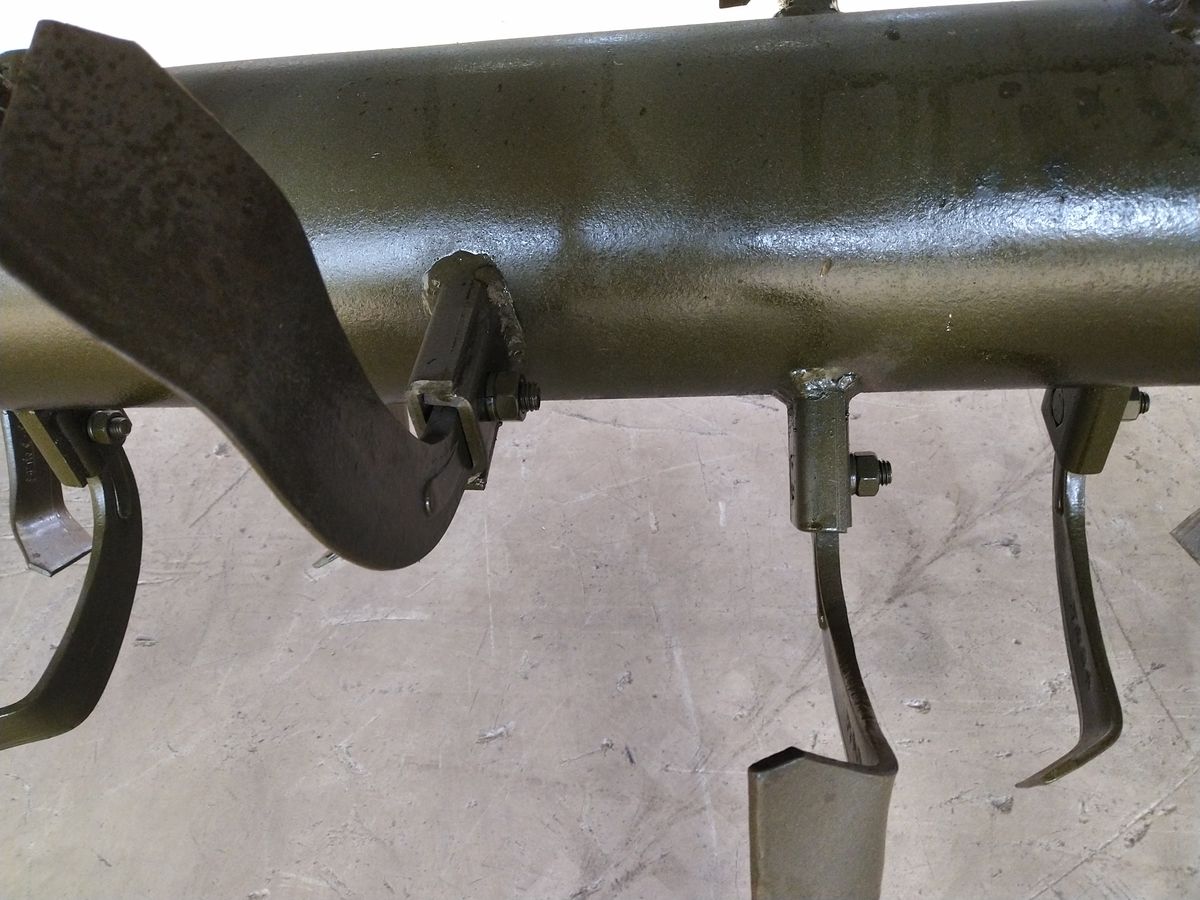
Windrow turners for sale: crawler and moving type compost turners that aerate open windrows and make compost fast. Hyd…
Čtěte více →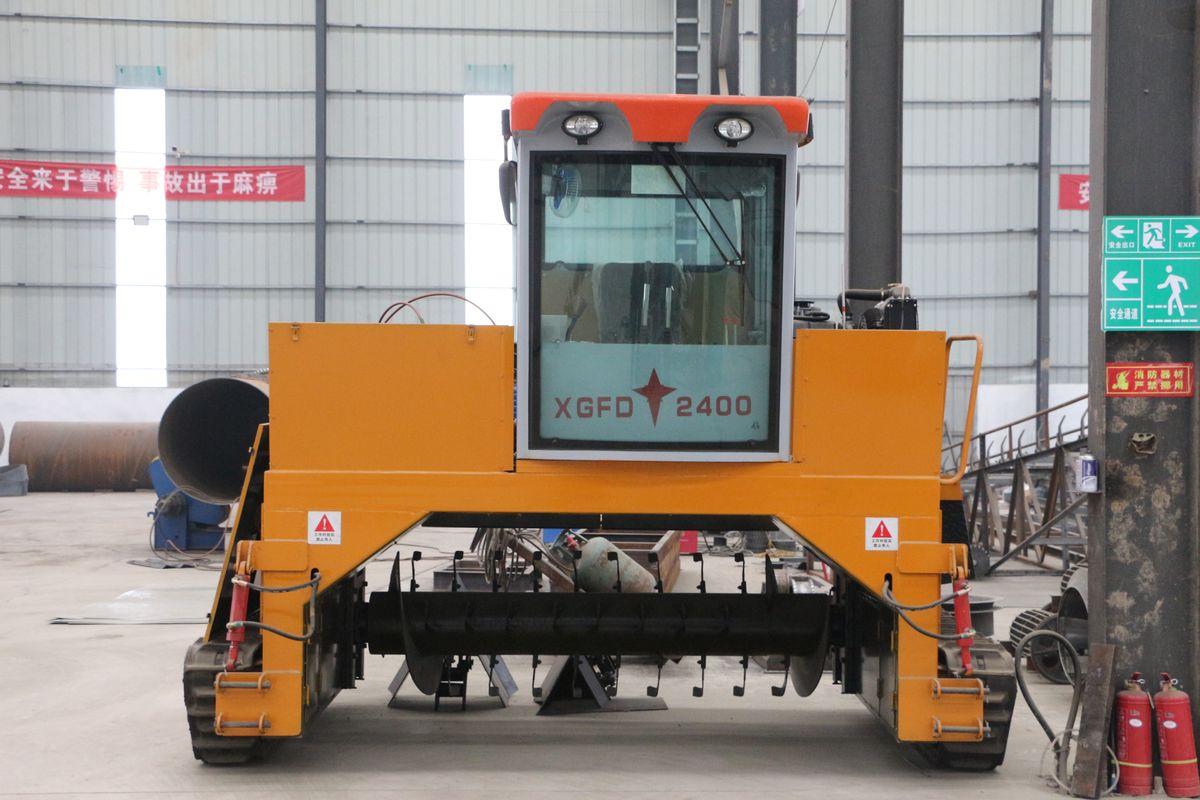
Self propelled compost turners let one operator drive, turn and re-pile simultaneously. Ideal for large farms and cont…
Čtěte více →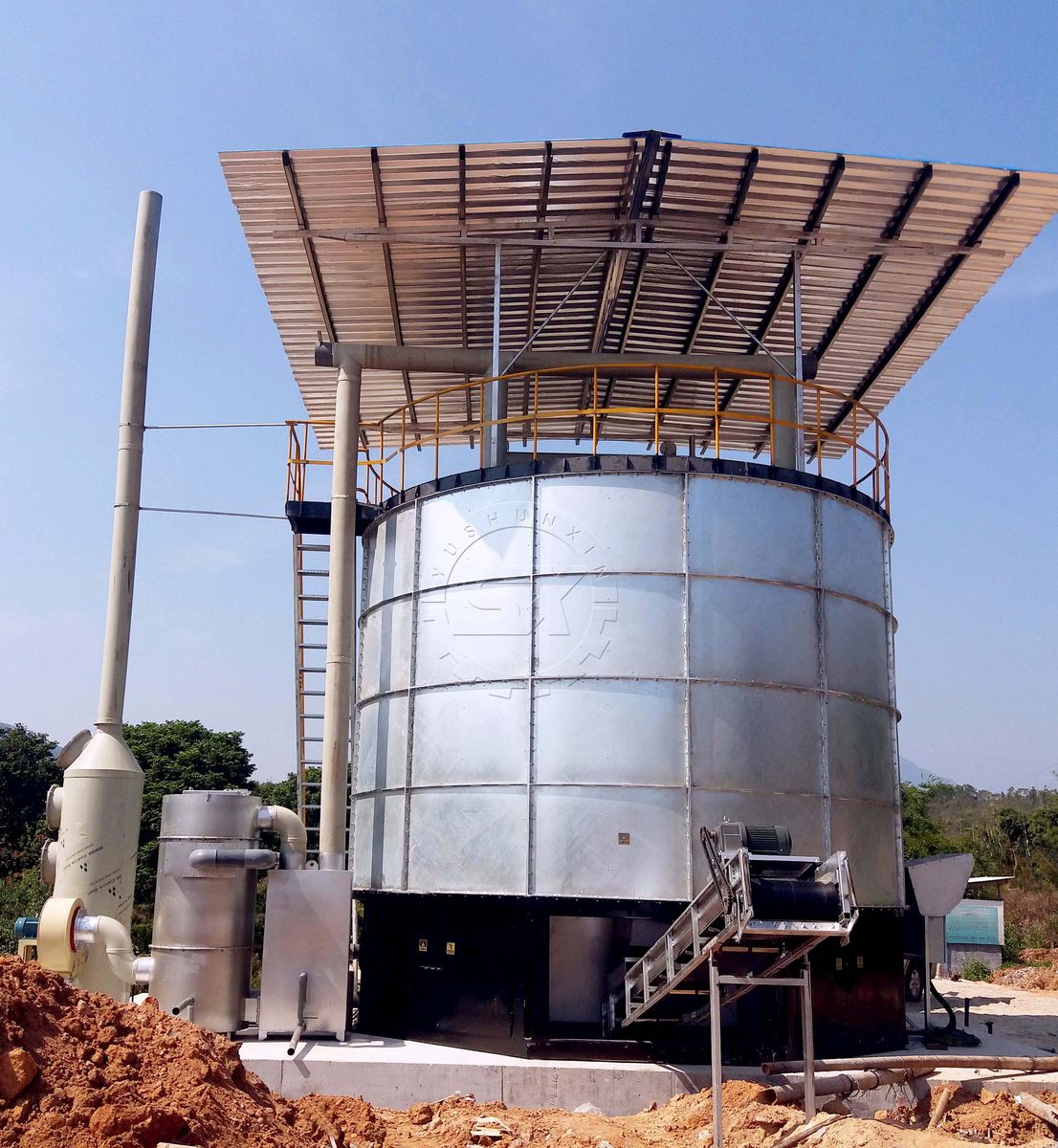
V nádobovém kompostovacím zařízení s uzavřenými aerobními fermentačními nádržemi, nucené provzdušňování a regulace teploty – ideální…
Čtěte více →Pošlete svou surovinu a cílovou kapacitu – naši inženýři odpoví do jednoho pracovního dne s trasou procesu, seznam vybavení a rozpočet.
Náš technický tým odpoví do jednoho pracovního dne. Na cokoliv naléhavého, napište nám na WhatsApp.
Otevřete WhatsApp